10 Tips for Choosing Warehouse Pallet Racks?
Choosing warehouse pallet racks is not simply a matter of comparing prices or counting storage levels. The right system must match your building, inventory, equipment, workflow, and future expansion plans. A rack that looks efficient on paper may create narrow aisles, awkward forklift movements, or unsafe loading conditions.
John Nofsinger, former CEO of the Material Handling Industry, emphasized the broader purpose of material-handling decisions: “The right solution balances safety, productivity, and long-term value.” That principle applies directly to warehouse pallet racks. Every beam, upright, anchor, and guard should support a clear operational goal.
Measure carefully.
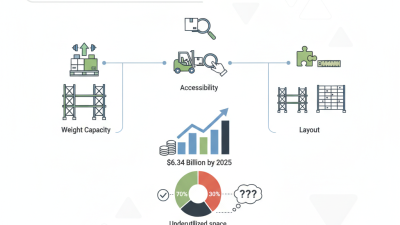
Start with pallet dimensions, load weights, ceiling height, aisle width, forklift turning radius, and floor conditions. Then examine how often products move and whether stock rotates quickly. Selective racks may provide easy access, while drive-in, push-back, or pallet-flow systems can improve density. However, higher density can reduce accessibility. That trade-off is easy to underestimate.
Real warehouses are rarely perfect. Inventory changes, forklifts vary, and expansion plans sometimes fail. A thoughtful choice leaves room for adjustment. Review manufacturer specifications, installation quality, inspection routines, and local safety requirements before approval. The following ten tips will help you compare options realistically, avoid costly assumptions, and build a storage layout that works beyond the first month.
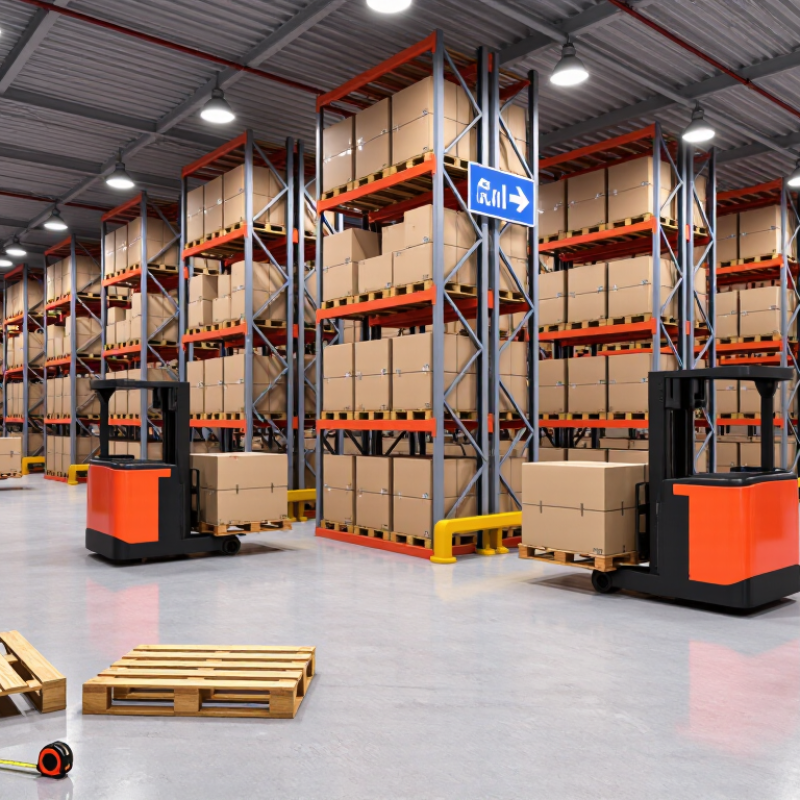
Define Storage Needs and Inventory Characteristics
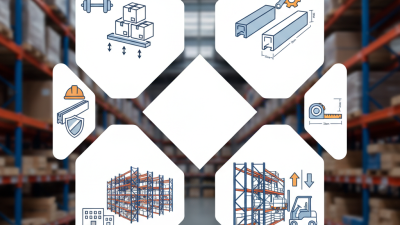
Choosing warehouse pallet racks starts with a clear definition of storage needs. Measure available floor space, ceiling height, aisle widths, and loading access. Record the number of pallets, their dimensions, weights, and turnover rates. A fast-moving product needs easier access than seasonal stock.
Inventory characteristics also shape the rack design. Uniform pallets may suit selective storage, while mixed sizes require adjustable beam levels. Fragile goods need stable support and careful handling space. Heavy loads demand verified capacities, not rough estimates. Check pallet conditions too. Damaged pallets can affect rack safety and operational reliability.
In practical warehouse planning, I have seen small measurement errors create costly aisle problems. Our first storage estimate was too optimistic. We later discovered that peak-season inventory needed more positions than average stock suggested. A qualified rack specialist should review load data, floor conditions, clearances, and impact risks. Keep accurate inventory records and update them when products change. Do not design only for today’s stock. Leave practical room for growth, but avoid buying unused capacity. Too much empty space can reduce efficiency. Regular inspections help confirm that the chosen system still matches real working conditions.
Measure Warehouse Space, Layout, and Access Requirements
Choosing warehouse pallet racks starts with accurate measurements, not a catalog. Measure clear length, width, and usable height at several points. Walls are rarely perfectly square. Record columns, sprinklers, lights, doors, drains, and floor changes. A rack drawing can fail when one beam meets a low pipe. Leave vertical clearance for safe handling and required fire protection. Check the floor slab with a qualified engineer when loads are substantial or surfaces look cracked. This step protects both inventory and people.
Map the daily route from receiving to storage, picking, staging, and dispatch. Note forklift turning circles, pedestrian crossings, queue areas, and emergency access. Aisles that look generous on paper may become tight beside end frames or parked pallets. Match aisle width to the actual equipment, load size, and operator visibility. Measure the largest pallet, including overhang and damaged boards. Real loads are untidy. Keep fast-moving goods near dispatch, but test that idea against congestion during peak hours. I once saw a layout reduce travel distance yet create a dangerous staging bottleneck. That mistake was preventable. Mark proposed rack lines with tape and walk the route before installation. Invite operators to challenge the plan; they notice awkward turns engineers may miss. Recheck dimensions after construction, because small site changes can quietly remove access.
Match Rack Capacity, Design, and Configuration to Operations
Choosing warehouse pallet racks starts with the operation, not the rack appearance. The 2024 MHI Annual Industry Report surveyed more than 1,700 supply-chain professionals. It found that 55% planned to increase investment in supply-chain innovation. Your rack system should support that change, not restrict it.
Record each pallet’s actual weight, height, width, and load center. Include seasonal peaks and unevenly distributed products. Calculate beam and upright capacity together. Never treat a capacity label as a universal guarantee. ANSI MH16.1 provides design guidance for industrial steel storage racks, but site conditions still matter. Floor strength, seismic exposure, sprinkler clearance, and forklift turning space can change the specification.
Select selective racks for varied access. Consider drive-in or double-deep layouts when storage density matters more than immediate access. Use adjustable levels for changing inventory, but confirm beam deflection limits.
Leave safe aisle clearance around the largest vehicle, not the smallest one. Add protectors where forklifts repeatedly approach uprights. Inspect damaged frames immediately.
Small details matter. Measure twice.
A practical review should test replenishment speed, picking paths, emergency access, and future automation. That last point is often missed. A perfectly dense layout may slow workers and create hidden handling costs. I have seen plans that looked efficient on paper but failed during peak-hour traffic. Recheck the assumptions with operators before ordering materials.
Evaluate Safety Features, Materials, and Compliance Standards
10 Tips for Choosing Warehouse Pallet Racks
Safety must guide every rack decision.
OSHA identifies falling loads, forklifts, and damaged storage systems as recurring warehouse hazards. Its forklift guidance cites about 85 annual deaths and 34,900 serious injuries in the United States.
Tip: Choose uprights with column guards, anchored frames, wire decking, and load backstops.
A tidy aisle can still hide a weak anchor. Check floor capacity, seismic exposure, and clearances before ordering.
Material selection affects service life.
Cold rooms, humidity, chemicals, and heavy impact can accelerate corrosion or deformation.
Tip: Specify certified structural steel, suitable coatings, and beam capacities that match actual pallet weights.
Measure twice. Do not trust a supplier’s standard configuration without reviewing load charts. In practice, many failures begin with inaccurate pallet dimensions or uneven loading. That mistake is easy to repeat.
Compliance should be documented, not assumed.
OSHA 29 CFR 1910.176(b) requires stored materials to remain secure against sliding or collapse. ANSI MH16.1 provides design guidance for industrial steel storage racks, while local fire codes may control flue spaces and sprinkler clearances.
Tip: Request engineering calculations, product certifications, installation records, and visible capacity plaques.
Train forklift operators and inspect racks regularly. OSHA recommends removing damaged components from service until a qualified person evaluates them. BLS data consistently places transportation and warehousing among higher-risk industries, so inspection frequency deserves honest review. Monthly checks may be insufficient in busy aisles.
Compare Installation Costs, Maintenance, and Future Scalability
Choosing pallet racks is a three-stage cost decision: installation, maintenance, and future expansion. Measure clear height, column spacing, floor capacity, and forklift turning angles before requesting quotes. Small errors here can create expensive redesigns. Our first estimate was too optimistic.
Compare at least three installation proposals. Ask each contractor to separate freight, anchoring, labor, permits, and temporary shutdowns. Price removal and relocation, not only initial assembly. Confirm seismic and load requirements with a qualified engineer. Choose components with replaceable beams and guards. Standardized parts usually simplify repairs and reduce downtime. Keep aisle clearances practical.
Maintenance needs a written inspection schedule. The U.S. Bureau of Labor Statistics recorded about 2.6 million nonfatal workplace injuries and illnesses in private industry during 2023. That broad figure is not rack-specific, but it reinforces disciplined inspections. Check bent uprights, loose anchors, missing pins, and overloaded beams. Document findings with photographs. Do not guess. A damaged frame may look minor until impact occurs. Train operators to report contact immediately, even when no product falls.
For scalability, leave expansion zones and confirm the slab can support added loads. Review likely SKU growth, pallet dimensions, and changing equipment before fixing bay depths. MHI’s 2024 Annual Industry Report highlights continuing labor pressure and investment in warehouse technology. Racking that blocks automation paths may become a costly constraint. Design for adjustable levels, future sprinkler access, and safe maintenance space. Keep one uncomfortable question: will this layout still work after demand changes?
10 Tips for Choosing Warehouse Pallet Racks: Installation, Maintenance & Scalability
Compare common pallet-rack systems using a normalized 1–5 planning index. Lower installation and maintenance scores indicate lower cost or complexity, while a higher scalability score indicates easier future expansion.
Planning benchmark: scores reflect widely used warehouse-design trade-offs. Selective racks provide direct access to every pallet and are generally the simplest to expand; drive-in racks improve storage density but reduce selectivity; push-back and pallet-flow systems increase density with greater design and maintenance complexity; AS/RS offers high density and automation potential but requires the highest initial investment and specialized support. Final costs depend on building height, seismic requirements, load ratings, labor, fire protection, and automation scope.
Tip 1: Confirm pallet dimensions and load weights.
Tip 2: Measure available clear height and aisle space.
Tip 3: Match rack selectivity to inventory turnover.
Tip 4: Allow room for future capacity growth.