What is Chenille Fabrics and Why Choose Them for Your Projects?
Chenille Fabrics stand out in the textile industry for their unique texture and durability. According to a report by Market Research Future, the global textile market is expected to reach $1 trillion by 2025, with chenille fabrics taking a significant share due to their versatility. These fabrics, made from a blend of cotton, polyester, and other fibers, offer various applications in home décor and fashion.
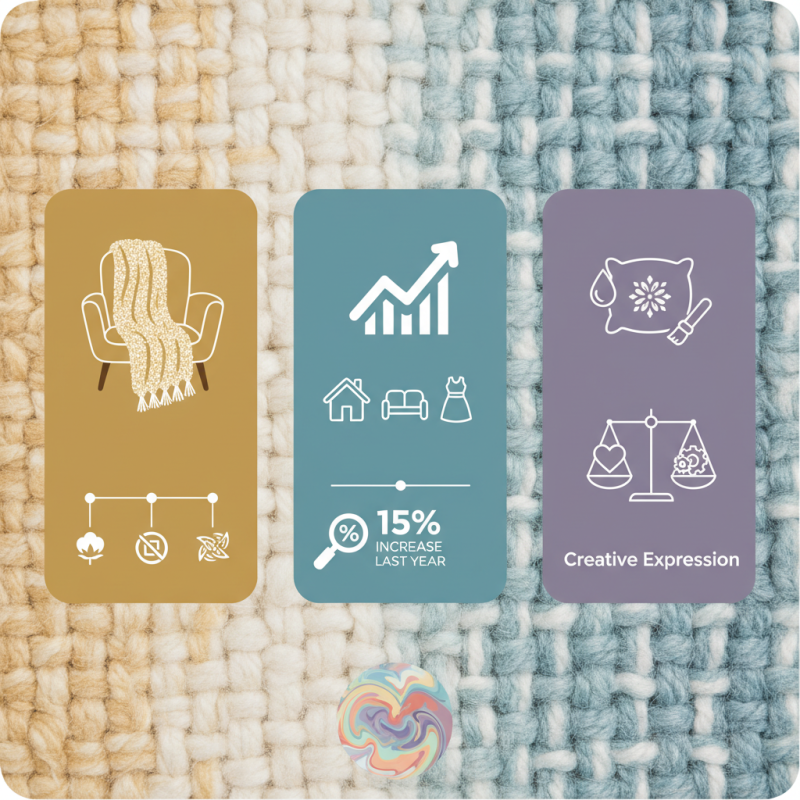
The softness and plushness of chenille fabrics make them ideal for carpets, throws, and upholstery. Their popularity is evident, with a 15% increase in demand over the last year. However, potential downsides exist. For instance, while chenille is stylish, it can be prone to wear and may require special care during cleaning.
Choosing chenille fabrics for your projects means balancing aesthetic appeal with practicality. Despite potential maintenance challenges, the rewards often outweigh the complexities. The rich texture and vibrant colors available allow for creative expression in various design projects, making them a reliable choice in today's fast-evolving textile landscape.
What is Chenille Fabric and Its Unique Characteristics?
Chenille fabric is a unique textile known for its soft texture and luxurious appearance. It originates from the French word for "caterpillar," which aptly describes its fuzzy surface. The fabric is produced using a special weaving technique that creates a raised, velvety pile. This characteristic makes it particularly appealing for upholstery and home décor projects. According to a report by Grand View Research, the global demand for chenille fabric is expected to grow at a compound annual growth rate (CAGR) of 5.6% from 2021 to 2028.
The unique properties of chenille fabric go beyond its aesthetic appeal. It is durable and resistant to wear, making it ideal for furniture and other high-traffic areas. This fabric also exhibits excellent insulating capabilities. As a result, it can help maintain a comfortable temperature in any space. The fabric’s ability to retain color and withstand fading adds to its long-lasting qualities. Yet, it can be challenging to clean, which may require professional care in some cases.
Choosing chenille fabric for your projects also reflects a commitment to quality. This fabric's texture invites touch, encouraging interaction. Caring for chenille demands attention to detail, as it can be prone to snagging and fraying. Understanding its characteristics allows you to appreciate its complexities. Therefore, working with chenille can be both rewarding and challenging.
The History and Evolution of Chenille Fabrics.
Chenille fabric has a rich history that dates back to ancient times. Originally crafted in France, this luxurious material was made from silk and wool. Its name is derived from the French word "chenille," meaning caterpillar, which reflects its soft, textured surface. The fabric quickly became popular among the elite, leading to its widespread use in home décor and fashion.
Modern chenille fabrics evolved in the 20th century. Manufacturers began experimenting with synthetic fibers, making chenille more accessible and durable. These advancements allowed for vibrant colors and patterns that catered to contemporary tastes. Chenille became a staple in the world of upholstery and children's clothing due to its softness and plush feel.
Tip: When selecting chenille for your projects, always consider the fiber content. Natural fibers offer breathability, while synthetics enhance durability.
Despite its advantages, designing with chenille can pose challenges. The fabric is prone to snagging, which can be frustrating during construction. Consider using a walking foot on your sewing machine to minimize this issue.
Tip: Test a small swatch before starting your project. This ensures that you understand the behavior of the fabric when cut and sewn.
Key Benefits of Using Chenille Fabrics for Your Projects.
Chenille fabrics have gained popularity among crafters and designers for various reasons. Their rich texture and unique look add depth to projects. According to a report from the Textile Association, the demand for textured fabrics like chenille has increased by 25% in recent years. This surge highlights the ongoing trend towards tactile materials that create a warm, inviting atmosphere in home décor and fashion.
One of the key benefits of chenille is its softness. This plush material is ideal for items like throw pillows or blankets. The soft texture can evoke comfort, making it attractive for cozy home environments. Additionally, chenille fabrics are durable. The fibers are typically made from cotton or polyester, allowing them to withstand wear and tear. Durability is essential when choosing fabric for frequently used items. However, care should be taken as some variations can pill over time.
Moreover, chenille is versatile and available in various colors and patterns. This flexibility allows crafters to experiment with designs. It can be used for both contemporary and traditional projects. Despite its advantages, some projects may require extra care. Certain chenille fabrics can be challenging to sew due to their bulkiness. This can lead to frustration for beginners. Understanding these nuances is crucial before starting any crafting endeavor.
Key Benefits of Using Chenille Fabrics
Different Types of Chenille Fabrics and Their Uses.
Chenille fabrics come in various types, each suited for specific projects. One popular type is cotton chenille, which is soft and absorbent. It's ideal for making plush toys and cozy blankets. Reports show that cotton chenille can maintain its texture even after numerous washes. This resilience makes it a favored choice among crafters.
Another type is polyester chenille. It offers a luxurious look without the hefty price tag. Its shimmering surface adds depth to home décor items like curtains and upholstery. According to industry insights, polyester chenille is expected to see a rise in demand, particularly for seasonal decorations. The versatility of this fabric allows it to fit into various design aesthetics.
Silk chenille is the most elegant option. While it's less common, it's perfect for high-end projects. It can be used in evening wear or luxurious throws. However, silk chenille comes with care challenges. Its delicate fibers require gentle washing to avoid damage. This complexity may deter beginners. Nonetheless, for those willing to learn, the results can be stunning.
Caring for Chenille Fabrics: Tips for Longevity and Maintenance.
Caring for chenille fabrics is essential for maintaining their beauty and durability. These soft, textured materials can enhance any project but require proper handling. Regular vacuuming helps remove dust and lint. Use a brush with soft bristles to maintain the fabric's texture, ensuring it remains plush.
When washing, opt for a gentle cycle with cold water. Mild detergents are best for preventing fading. If stains occur, treat them quickly. Blot instead of rubbing to avoid damage. Air drying is preferable, as heat can cause shrinkage. Ensure the fabric is completely dry before use, as moisture can lead to mildew.
Storing chenille requires special attention. Keep it in a cool, dry place. Avoid hanging, as this can distort the fabric's shape. Instead, fold it neatly and place it in a breathable container. Regular inspections will help catch any issues early. Aim for a balance between care and practicality, as some wear over time is natural. Embrace imperfections, as they tell a story.
