How to Choose the Right Storage Racking for Your Warehouse Needs?

Choosing the right storage racking for your warehouse needs can be challenging. As industry expert John Smith states, “The right racking system can enhance efficiency and reduce costs.” This insight underscores the importance of careful selection in racking systems.

Many warehouses rely on various types of storage racking. For instance, pallet racking is popular but may not suit all spaces. Understanding your specific requirements, such as weight capacity and space constraints, is vital. A rack that works well today may not meet future demands. This realization prompts a deeper evaluation of long-term needs.

Choosing the right storage racking isn’t always straightforward. Investing in an ill-suited system can lead to inefficiencies. Reflecting on your needs can guide better decisions. Don’t overlook potential pitfalls. A well-planned storage solution can save time and money in the long run.

How to Choose the Right Storage Racking for Your Warehouse Needs?

Understanding Different Types of Warehouse Racking Systems

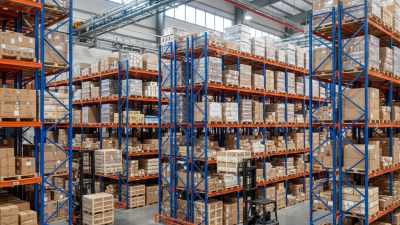
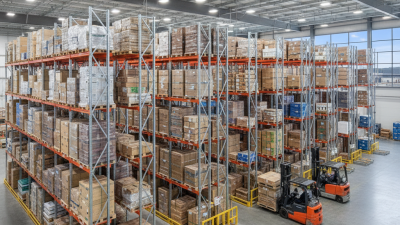
When choosing a warehouse racking system, understanding the various types is crucial. Selective racking is the most common option. It allows easy access to every pallet. However, it uses more floor space. Consider this when planning.


Another option is drive-in racking. This system maximizes vertical space. It is ideal for storing large quantities of similar items. Yet, this approach limits access to individual pallets. It can be a challenge if stock rotation is necessary.


Tips: Always assess your inventory needs. Review how often you access certain items. Properly analyze your space and workflows. Before making a decision, visualize how your team will navigate the racking. Remember, the right system can boost efficiency, but the wrong choice can create chaos. Reflect on how you can balance access and storage capacity.
Evaluating Your Warehouse Space and Layout Requirements

Evaluating your warehouse space and layout requirements is crucial for effective storage solutions. Start by measuring your warehouse dimensions. A recent industry report states that optimizing your space can lead to a 20% increase in inventory capacity. This is essential for efficient operations and profitability.

Consider the layout that best suits your workflow. A survey shows that 70% of businesses prioritize a flow that minimizes travel time. When choosing racking systems, ensure they align with your goods’ size and quantity. For instance, narrow aisle racking may serve high-density storage, while pallet racks may accommodate bulk items.

Additionally, analyze potential growth. A flexible layout can adapt to changing demands. Ignoring this factor can lead to over-investment in unnecessary equipment. It's vital to find a balance between current needs and future expansion. Engaging with warehouse managers can provide valuable insights into obstacles faced during storage organization.

Assessing Load Capacity and Weight Distribution Needs

When choosing the right storage racking, assessing load capacity is crucial. Every racking system has specific weight limits. Ignoring these limits can lead to accidents. Understand your products' weight and size. Measure everything accurately. It’s a vital step to ensure safety and efficiency.

Tip: Always leave some margin in weight limits. Consider dynamic loads in addition to static ones. For example, if a racking system can hold 1,000 pounds, aim for loads below 800 pounds. This provides a buffer for unexpected weight fluctuations.

Distribution of weight is equally important. Unevenly distributed loads can lead to racking failure. Ensure heavier items are closer to the floor and lighter items higher up. Analyze the layout of your warehouse. This might require some trial and error. Adjusting your system takes time and reflection.

Tip: Regularly inspect your racking. Look for signs of wear or stress. Engage your team in these assessments. They may notice issues before they become serious. Rethink your design as your inventory changes. Keeping your racking optimized is an ongoing process.

Considering Accessibility and Picking Efficiency in Racking Selection

Choosing the right storage racking for a warehouse can be challenging. Accessibility is a key factor to consider. If shelves are too high or too deep, employees might struggle to reach items. This can lead to frustration and decreased productivity. Ensure that items are easy to access. For example, if you have frequently picked items, position them at waist height. It’s all about maximizing efficiency.

Picking efficiency is also crucial in racking selection. Analyze your picking process. Are workers often walking long distances between items? If so, you might consider a racking layout that minimizes travel time. For instance, a flow rack can help keep items close and accessible. This layout can also reduce the chances of errors in picking. Think about the flow of goods as well. A chaotic setup can hinder efficient picking.

Evaluate your current setup regularly. Are there bottlenecks? Could certain areas be improved? Sometimes, small changes can yield significant benefits. Test different racking configurations to see what works best. Keep track of picking times and error rates. These metrics provide insight into your racking efficiency. Adaptability is essential as your warehouse needs evolve. Reflect on these aspects regularly for continuous improvement.

Maintenance and Safety Considerations for Storage Racking Systems

How to Choose the Right Storage Racking for Your Warehouse Needs?

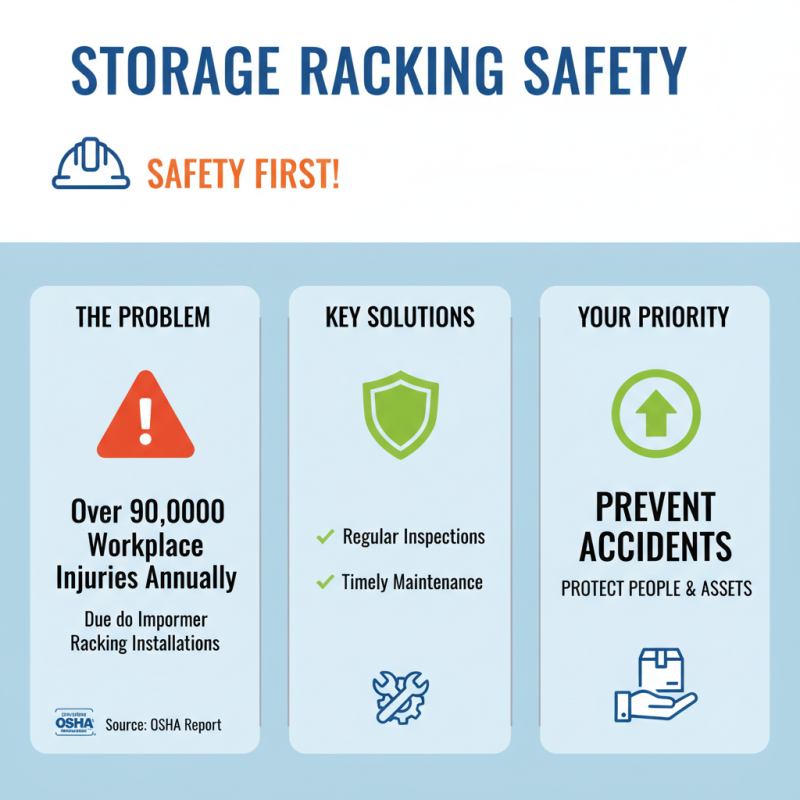
When it comes to maintaining storage racking systems, safety should always be a priority. According to a report by the Occupational Safety and Health Administration (OSHA), over 90,000 workplace injuries occur each year due to improper racking installations. This alarming statistic emphasizes the need for regular inspections and timely maintenance.

One important tip is to conduct routine checks. Inspect for any signs of wear and tear, such as bent beams or damaged uprights. Ensure that all racking systems are properly anchored to prevent tipping or collapsing. Proper load distribution is critical. Avoid overloading shelves beyond their capacity, which is a leading cause of failures.

Training staff on safe practices is crucial. A well-informed team can help mitigate risks. Clear protocols for how to handle and store items can prevent accidents. Keep aisles clear to allow for easy access and movement. Remember, safety gear is essential when working near storage racking systems. OSHA data shows a significant decrease in accidents when employees wear protective equipment.

Lastly, consider the environment. Climates with high humidity or extreme temperatures can affect materials. Invest in racking systems designed for your specific warehouse conditions. Making informed choices can significantly enhance safety and efficiency in your facility.