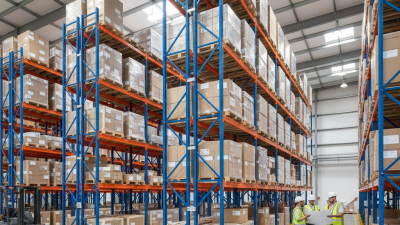
Choosing the right warehouse pallet racks is crucial for optimizing storage space and improving efficiency. Expert John Smith, a veteran in warehouse logistics, emphasizes, “The right rack system can transform your entire operation.” When selecting these storage solutions, it is vital to consider your specific business needs.
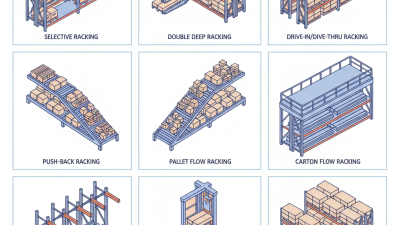
Warehouse pallet racks come in various styles and configurations. For instance, selective racks allow easy access to each pallet, while drive-in racks maximize storage density. Each type offers unique benefits. However, many businesses still overlook key factors like weight capacity and aisle width. Ensuring these elements align with your inventory is essential for safety and efficiency.
Mistakes in selection can lead to inefficient use of space. Often, businesses choose racks based on price rather than suitability. This can result in costly adjustments later. Therefore, evaluating your current and future storage requirements is critical. A thoughtful approach, guided by expert advice, can lead to a more effective warehouse layout.
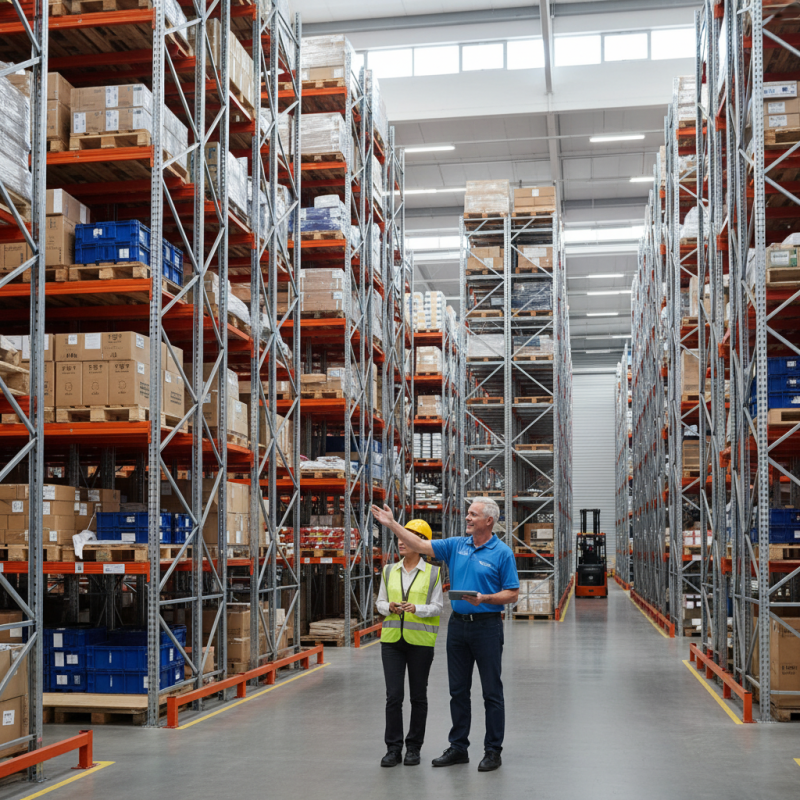
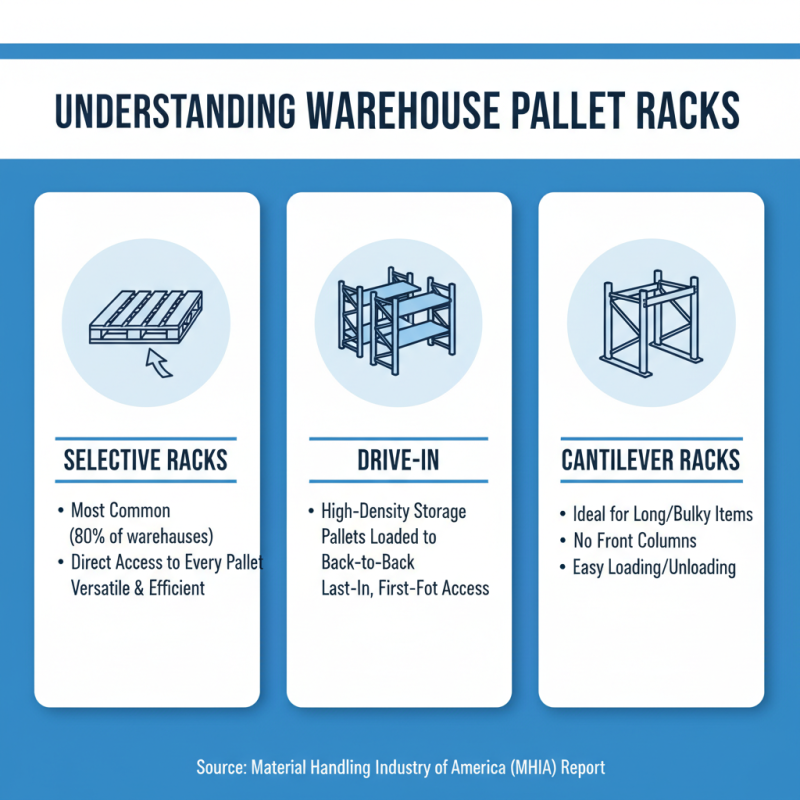
When selecting warehouse pallet racks, it’s critical to understand the different types available. The most common styles include selective racks, drive-in racks, and cantilever racks. According to a report by the Material Handling Industry of America (MHIA), about 80% of warehouses use selective racks due to their versatility. These racks offer direct access to every pallet, making inventory management simpler and more efficient.
Drive-in racks are ideal for businesses with high-density storage needs. They allow forklifts to enter from one side and store pallets in a compact arrangement. However, this setup can complicate inventory rotation. On the other hand, cantilever racks serve well for storing long or bulky items, such as lumber or pipes. However, they often require more floor space than traditional systems.
It’s essential to evaluate your specific inventory and operational needs. The right pallet rack should enhance operational efficiency and not become a bottleneck. Investing in inadequate racking can lead to safety issues and reduced productivity. Managers should regularly assess their storage needs and the type of inventory flow they have. This reflection will help in making informed decisions, ensuring that the chosen racks meet evolving business demands.
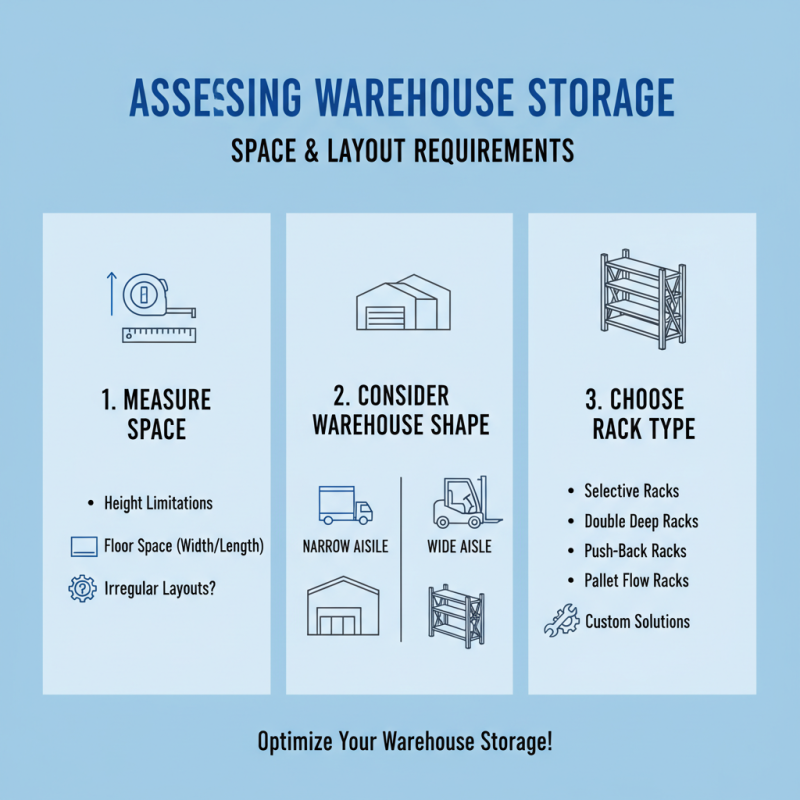
When choosing warehouse pallet racks, assessing your storage space and layout is crucial. Start by measuring your available space carefully. Consider the height limitations and the floor space. Is your warehouse narrow or wide? This will influence the rack type you choose. If your layout is irregular, you may need custom solutions.
Next, think about how you'll access the pallets. Aisle width is vital for maneuvering forklifts and other equipment. Too narrow means you risk accidents and damages. Too wide wastes valuable storage space. Aim for a balance that meets your operations.
Evaluate the weight capacities of potential racks. Heavy items need sturdier shelves. Often, businesses underestimate their needs, leading to future complications. Racks that don't suit your load can cause failures. Always consult with a storage expert. They can help you navigate these challenges, ensuring you make informed choices.
Choosing the right warehouse pallet racks is crucial for any business. Safety compliance standards and load capacity greatly influence this choice. When evaluating racks, load capacity is the primary concern. Each rack needs to support the weight of your products. If you underestimate this capacity, it risks accidents and damages.
Tips: Always check the manufacturer’s specifications. Look at the maximum weight limits. Ensure your goods fit within these limits.
Safety compliance is equally important. Racks must meet local regulations and industry standards. They should undergo regular inspections and maintenance. Neglecting this can lead to serious safety hazards.
Tips: Create a maintenance schedule. Document inspections and repairs. This ensures compliance and protects your workforce.
Choosing the right racks takes careful consideration. Reflect on your operational needs and safety standards. Balancing capacity and compliance protects both your goods and employees.
| Pallet Rack Type | Load Capacity (per shelf) | Height (ft) | Safety Compliance Standards | Ideal Use Case |
|---|---|---|---|---|
| Selective Racking | 2,500 lbs | 8-12 ft | ANSI MH16.1 | General warehousing |
| Drive-In Racking | 3,000 lbs | 10-16 ft | ANSI MH16.1 | High-density storage |
| Cantilever Racking | 4,000 lbs | 8-20 ft | ANSI MH16.1 | Long materials storage |
| Push Back Racking | 2,200 lbs | 10-15 ft | ANSI MH16.1 | First-in, last-out storage |
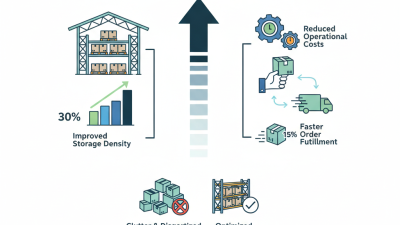
When selecting warehouse pallet racks, consider flexibility and future expansion. According to the Material Handling Industry, nearly 70% of businesses anticipate their storage needs will change within just a few years. This means that choosing adjustable and modular systems can save costs down the line. Flexible designs allow for easy reconfiguration as inventory levels shift, accommodating seasonal trends or business growth.
Investing in versatile systems is crucial. Reports suggest that businesses that prioritize scalable solutions improve efficiency by up to 25%. These racks can adapt to various products, reducing the risk of obsolescence. However, many firms overlook this need, focusing solely on current requirements. This shortsightedness can lead to increased expenses when modifications are necessary.
Assessing your growth plans is vital. Are you considering new products or services? Understand your potential space requirements. Engaging in thorough planning can prevent costly adjustments. Rely on professionals for guidance on industry standards. Their insights can help ensure your choice aligns with future demands. Flexibility in pallet racks is not just an option; it’s a necessity for long-term success.
When investing in warehouse pallet racks, budgeting is crucial. Understand the initial costs. These expenses include the racks themselves, installation, and potential modifications to your facility. Analyze the total cost of ownership. Consider ongoing maintenance and potential repair costs. A well-planned budget can prevent future financial strain.
Assess your business needs. Storage capacity, warehouse layout, and product types all affect decisions. Cheaper racks can save money upfront but may lead to higher maintenance costs later. Investing in sturdy, reliable racks may require more initial funding, but they often pay off over time by reducing downtime and increasing efficiency.
Reflect on potential growth. Your business may expand, necessitating additional racks or modifications. Flexibility should be considered in your budget. Allocating funds for unexpected costs is wise. This approach ensures you won't face a cash crunch when opportunities arise. Balancing cost-effectiveness with quality requires careful thought.