How to Choose the Right Brake Caliper for Your Vehicle?
Choosing the right Brake Caliper for your vehicle is crucial for optimal performance. A brake caliper is a key component in the braking system. It exerts pressure on the brake pads to ensure your vehicle stops effectively. However, selecting the right one can be challenging. With many options available, understanding their differences is essential.
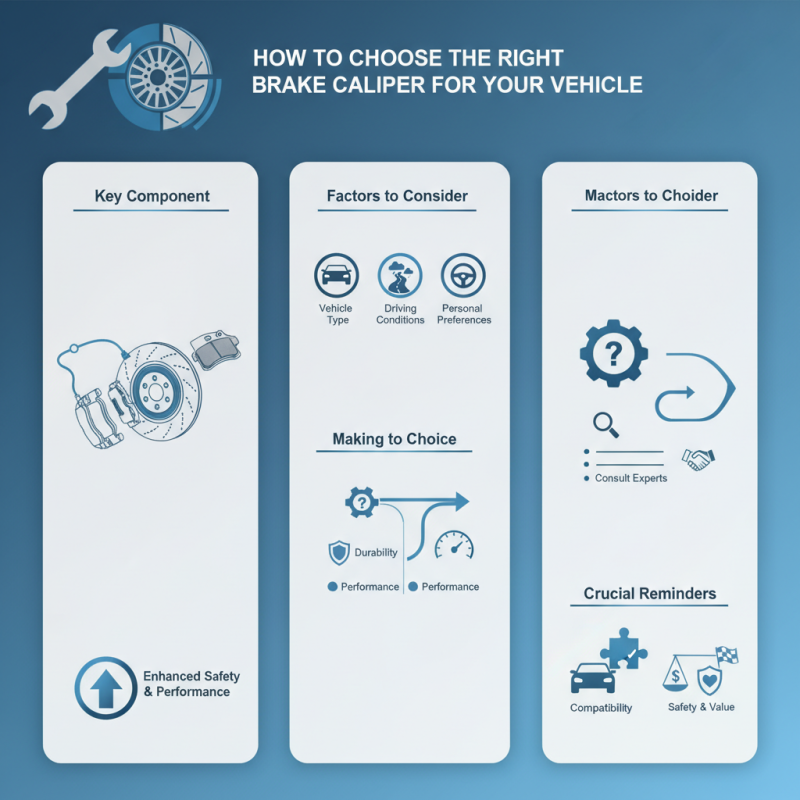
Consider factors such as vehicle type, driving conditions, and personal preferences. Not all brake calipers are created equal. Some may offer better performance, while others focus on durability. Knowing these details can greatly impact your choice. It’s worth doing your research and consulting experts if needed.
Make sure to check compatibility with your vehicle model. Using an incorrect brake caliper can lead to inefficient braking and safety hazards. Lastly, remember, sometimes the most expensive option isn’t the best choice. Reflect on what features matter most for your driving style and safety. In the end, a well-informed decision can enhance both your vehicle's safety and performance.
Understanding the Importance of Choosing the Right Brake Caliper
Choosing the right brake caliper is crucial for vehicle safety. Brake calipers apply pressure to brake pads, allowing vehicles to stop effectively. Research indicates that improper caliper selection can lead to a 20% increase in braking distance. This statistic highlights the necessity of using suitable components to ensure optimal performance.
An important factor is material composition. Most calipers are made from aluminum or cast iron. Aluminum is lighter and offers better heat dissipation, while cast iron is more durable. According to industry reports, vehicles equipped with the right material caliper can improve braking efficiency by up to 15%. However, many drivers may overlook the significance of these materials, leading to potential safety hazards.
Furthermore, installation quality matters. Even the best caliper, if poorly installed, can underperform. A 2021 study showed that improper installation can increase brake failure risks by 30%. Due diligence during the installation process is essential. A skilled technician should handle caliper replacement to ensure everything functions correctly. It’s vital to recognize that each vehicle has specific requirements. Ignoring these details can lead to costly repairs and unsafe driving conditions.
Types of Brake Calipers: Fixed vs. Floating for Different Applications
When selecting a brake caliper, it's crucial to understand the differences between fixed and floating calipers. Fixed calipers offer enhanced performance and stability. They employ multiple pistons for improved gripping power. This design allows for more effective heat dissipation, which can enhance braking efficiency during heavy-duty applications. According to industry reports, vehicles with fixed calipers often demonstrate reduced stopping distances by up to 20% in rigorous conditions.
On the other hand, floating calipers are more common in everyday vehicles. They use a single piston and slide to engage the brake pads against the rotor. This design is lightweight and cost-effective, making it suitable for standard driving scenarios. Data indicates that floating calipers can show uneven wear patterns, which may affect brake longevity. Regular inspection is critical for drivers relying on this type to ensure optimal performance.
Choosing between these two types requires careful consideration of your driving habits. Fixed calipers might benefit performance enthusiasts, while floating calipers suit daily commuters. Ultimately, whatever you choose should align with your specific needs and vehicle requirements. Being informed will prevent future issues and enhance overall driving safety.
How to Choose the Right Brake Caliper for Your Vehicle?
| Caliper Type | Description | Advantages | Disadvantages | Best Application |
| Fixed Caliper | A fixed caliper has pistons on both sides of the rotor, providing better braking performance. | Superior stopping power, less prone to flexing | Typically more expensive, heavier | High-performance cars, racing applications |
| Floating Caliper | A floating caliper has a single piston that pushes against the rotor, allowing it to "float" to apply even pressure. | Lighter weight, easier installation | Less stopping power, may lead to uneven wear | Budget vehicles, everyday use |
| Single Piston Caliper | A type of floating caliper with one piston, typically used in less demanding applications. | Cost-effective, lightweight | Limited performance for heavy loads | Compact cars, light-duty applications |
| Multi-Piston Caliper | Utilizes multiple pistons to provide even more powerful braking, especially for larger rotors. | Enhanced braking strength, better heat dissipation | Higher cost, complexity in design | Performance vehicles, heavy-duty trucks |
Key Specifications to Consider: Material, Size, and Compatibility
When selecting a brake caliper, there are some key specifications to consider. Material is crucial for durability and performance. Generally, calipers are made from cast iron or aluminum. Aluminum calipers are lighter and resist corrosion, while cast iron offers strength. Depending on your driving style, one material may outperform the other.
Size plays an essential role in brake performance. A larger caliper often provides better stopping power, especially under heavy loads. However, compatibility with your vehicle's brake system is non-negotiable. Ensure the caliper matches your rotor size and design. Mismatches can lead to poor performance and safety issues.
It's wise to consult a professional mechanic if unsure. They can provide valuable insights about your specific vehicle needs. Choosing the right caliper may seem straightforward, but every detail matters. An overlooked aspect can impact safety and performance. Think critically about each choice you make.
How Brake Caliper Performance Affects Stopping Distance and Vehicle Safety
Choosing the right brake caliper can greatly impact vehicle safety. Brake calipers play a crucial role in the stopping distance of your vehicle. According to a 2022 study by the National Highway Traffic Safety Administration (NHTSA), vehicles with high-performance calipers can reduce stopping distance by up to 30%. This reduction can be the difference between a near-miss and a serious accident.
When selecting a brake caliper, consider factors such as materials and design. A well-engineered caliper enhances brake pad contact and heat dissipation. Research from the Society of Automotive Engineers (SAE) indicates that overheating can reduce brake effectiveness by 15% or more. Vehicle safety is at stake. Therefore, it's essential to evaluate caliper specifications and ensure compatibility with your vehicle's braking system.
Many vehicle owners overlook the importance of caliper condition. Deteriorating calipers can increase stopping distances and lead to the risk of brake failure. Regular checks and maintenance are vital. A 2021 survey revealed that only 40% of car owners are aware of how caliper performance affects their safety. Investing time in understanding brake systems could prevent accidents and promote safer driving experiences.
Tips for Installation and Maintenance of Brake Calipers for Longevity
When it comes to brake calipers, proper installation and maintenance are crucial. Poorly installed calipers can lead to uneven wear and reduced braking efficiency. A study from the National Highway Traffic Safety Administration indicates that up to 30% of brake-related accidents result from faulty components.
One key tip for installation is to ensure all hardware is clean and rust-free. Deterioration can create friction, leading to malfunctions. Regularly inspect calipers for signs of leaks or corrosion. Replace any damaged seals immediately. This can prolong the lifespan of the calipers significantly.
Another important aspect is to check the brake pads regularly. They should have an even wear pattern. Uneven wear may indicate that the caliper isn't functioning properly. It’s recommended to service brake calipers every 15,000 to 30,000 miles, depending on driving conditions. Always follow the manufacturer’s guidelines for specific maintenance routines.
The right tools make a difference too. Using a torque wrench ensures that bolts are tightened correctly. This prevents over-tightening, which can lead to cracks. Regular maintenance not only enhances safety but also contributes to cost savings by avoiding premature wear on other brake components. Keep records of inspections. This habit helps track potential issues over time.
Brake Caliper Performance Comparison
This chart compares the heat dissipation capabilities of different types of brake calipers used in various applications, illustrating their performance characteristics. Proper selection based on intended use can extend the longevity of your vehicle's braking system.
