10 Essential Tips for Choosing the Right Industrial Racking System
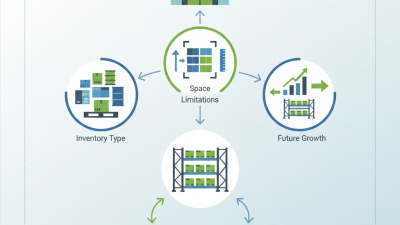
Choosing the right industrial racking system is crucial for maximizing storage efficiency. The right system impacts productivity and safety in warehouses. It can often be overwhelming due to various designs and options available. Companies need to understand their unique needs before making a decision.
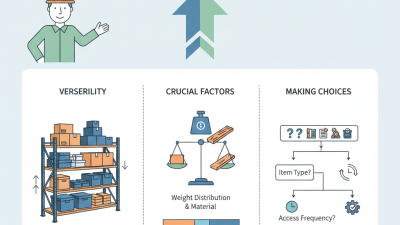
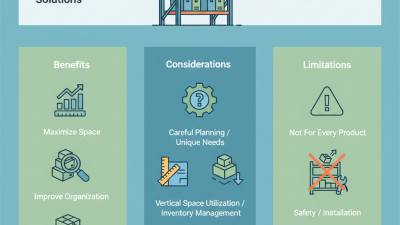
Consider the specific types of materials you'll store. Weight capacity, dimensions, and ease of access are key factors. Not every racking solution suits every business. For instance, a selective pallet racking system is great for quick access but may not utilize space efficiently. On the other hand, drive-in racks maximize storage but complicate retrieval.
Additionally, think about future growth. A system that works today may not fit tomorrow's requirements. Investing in flexible solutions can save costs in the long run. Be wary of cheap options; they might not provide the safety and durability your operation needs. Ultimately, the right industrial racking system is a blend of current needs and future planning. Each choice should reflect your commitment to efficiency and reliability.
Understanding the Different Types of Industrial Racking Systems
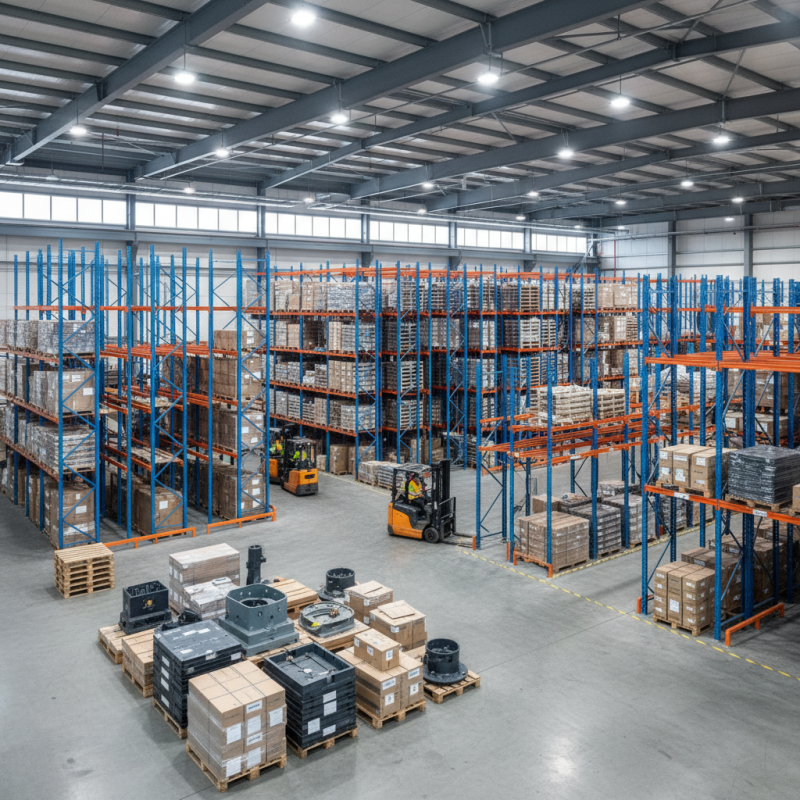
Choosing the right industrial racking system begins with understanding the various types available. Each type serves different storage needs.
Selective racking is the most common option. It allows direct access to individual pallets. This system is ideal for warehouses with a diverse range of products.
Drive-in racking is another option. It maximizes space by allowing forklifts to drive into the racking structure. This caters to high-density storage, but it may limit access to individual pallets.
Pallet flow systems are sophisticated, featuring inclined tracks for pallets. They enable first-in, first-out inventory management but require more complex planning.
Consider your inventory turnover rate. High-turnover items may benefit from selective racking. Lower turnover items might fit better in drive-in systems. Evaluate your future needs as well.
Space and flexibility are key factors. Racking choices must accommodate changes in inventory. Each system brings unique benefits and challenges. Balancing space efficiency with accessibility requires careful thought.
Factors to Consider When Assessing Storage Needs and Space
When assessing storage needs and space, it's crucial to analyze your current inventory. Understanding your product size and weight will direct your choices. Consider if you need adjustable shelves or fixed systems for stability. An effective racking system should maximize vertical space, especially in warehouses with high ceilings.
Evaluate your workflow. Is the racking system accessible for your staff? Narrow aisles can limit movement and slow down operations. Inadequate space may lead to danger. A well-planned layout can boost efficiency and safety.
Think about future growth. Will your inventory change over time? Choose a racking solution that can adapt to evolving needs. Flexibility in design can save costs in the long run. Reviewing your options frequently can lead to improvements. Reflecting on past decisions may reveal oversights. Aim to create a system that thrives under changing conditions.
The Importance of Accessibility and Workflow Efficiency in Racking
When operating in a warehouse, accessibility is key. Efficient racking systems can drastically enhance workflow. According to a study by the Material Handling Industry, effective material handling can improve productivity by 25% or more. Accessibility ensures that employees can reach products quickly. This reduces wasted time and increases job satisfaction.
The layout of a racking system should consider the flow of goods. Inadequate planning can lead to bottlenecks. Research shows that poorly designed workflows can lead to a 30% decrease in overall efficiency. This highlights the importance of not just the system itself, but how it integrates with warehouse operations. Also, ensuring that inventory is stored in easily accessible locations is vital.
Consider the height of racks and the space for picking equipment. Employees should not struggle to access items. If they do, frustration can become a serious issue. An outdated or unsuitable system may hinder rather than help productivity. It's crucial to evaluate both current needs and future growth. Rethinking racking strategies can lead to better accessibility and efficiency overall.
Maintenance and Compliance: Ensuring Longevity and Safety Standards
When selecting an industrial racking system, maintenance and compliance are crucial. Regular inspections can prevent costly accidents. Ensure your racking meets safety standards. Look for signs of wear and tear. These can indicate deeper issues. Consider establishing a maintenance schedule. It's essential to involve trained personnel who understand compliance requirements.
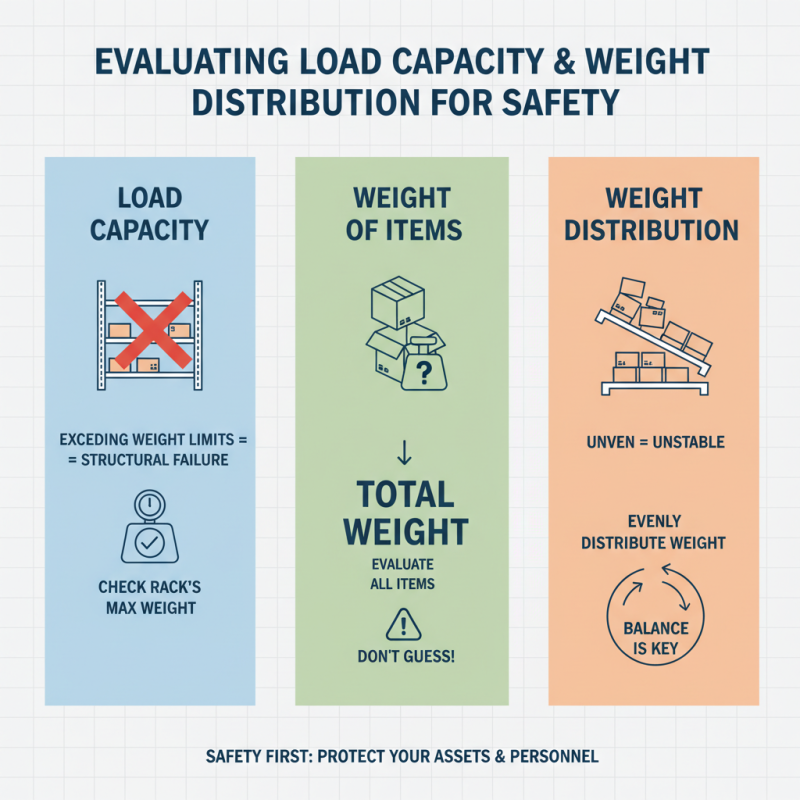
One tip is to choose materials that are easy to clean and maintain. Steel racking tends to last longer with proper care. Check for any corrosion or damage, which can compromise safety. Regular checks for load capacity are necessary. Sometimes, users push weight limits, leading to hazards. Maintaining a clear understanding of load requirements is key.
Another tip focuses on compliance training. Employees must know safety protocols. Conduct training sessions to reinforce these standards. Failing to comply can lead to serious injuries. Document all maintenance activities to create accountability. This practice ensures everyone understands their responsibilities. Regular audits of safety measures help identify areas of improvement. Consider using checklists during inspections to ensure thoroughness.
Industrial Racking System Compliance vs. Maintenance Factors