10 Essential Tips for Choosing the Right Pallet Racking System?
Choosing the right pallet racking system can significantly impact your warehouse efficiency. According to John Smith, a leading expert in logistics, "Selecting the correct racking system is crucial for maximizing space and productivity." His insight reflects the importance of this decision in an industry where every square foot counts.
Many factors influence this choice. The weight capacity, layout, and type of products stored all matter. However, it's easy to overlook details. For instance, some businesses focus only on cost. They may ignore long-term benefits. A cheap system can lead to safety hazards and increased downtime. These risks can be costly.
Understanding your specific needs is vital. Will your inventory change frequently? Are you handling heavy loads? Every situation is unique. Investing time in evaluating options can pay off. A well-suited pallet racking system can streamline operations and enhance workflow. This process is not just about racks; it's about creating a more effective working environment.

Understanding Your Storage Needs: Assessing Space and Inventory Requirements
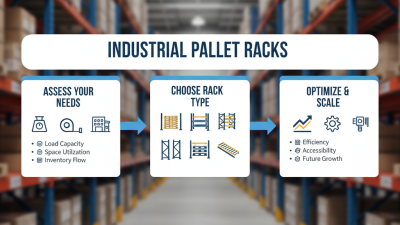
Assessing your storage needs is crucial when choosing a pallet racking system. Start by measuring your available space. Consider both height and width. Ensure there's room for easy access and movement. A cramped area can lead to inefficiencies. Analyze your inventory requirements next. What types of items will you store? Heavy loads need robust racking. Smaller items might benefit from selective shelving.
Capacity is key. Take inventory count seriously. If you have seasonal spikes, plan for that. Remember, overloading racks is unsafe. It’s easy to overlook weight limits. Prioritize a system that allows for flexibility. As inventory changes, your racking should adapt too. Being too rigid can create headaches down the line. Make adjustments before problems arise. Reflect on your current operations. Are there bottlenecks? Address them early. Finding the right balance between space and stock can drive efficiency.
10 Essential Tips for Choosing the Right Pallet Racking System
| Tip Number | Tip Description | Considerations | Benefits |
|---|---|---|---|
| 1 | Evaluate Your Space | Measure the height and width of your storage area. | Maximize storage efficiency. |
| 2 | Assess Your Inventory | Determine the size and weight of items to be stored. | Ensure safety and stability. |
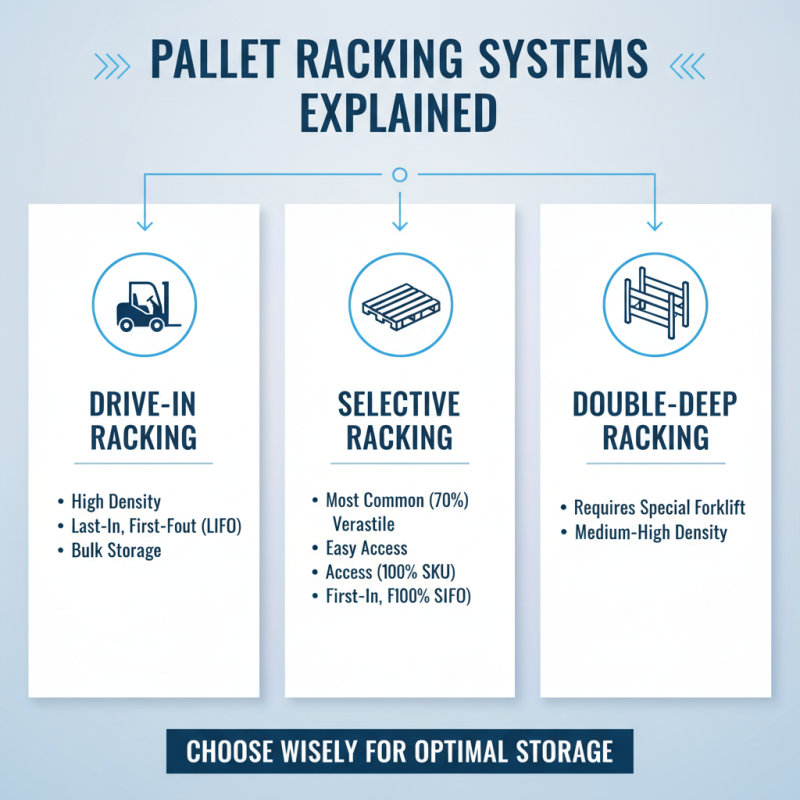
| 3 | Select Appropriate Racking Type | Choose between selective, drive-in, or pallet flow racking. | Optimize access and space usage. |
| 4 | Consider Future Storage Needs | Plan for potential expansion or changes. | Reduce future costs and disruptions. |
| 5 | Check Load Capacity | Ensure racking can support the maximum load. | Avoid structural failure and accidents. |
| 6 | Look for Adjustable Systems | Choose racking that can be adjusted to different heights. | Enhance flexibility and usage of space. |
| 7 | Evaluate Safety Features | Check for safety standards and certifications. | Protect employees and inventory. |
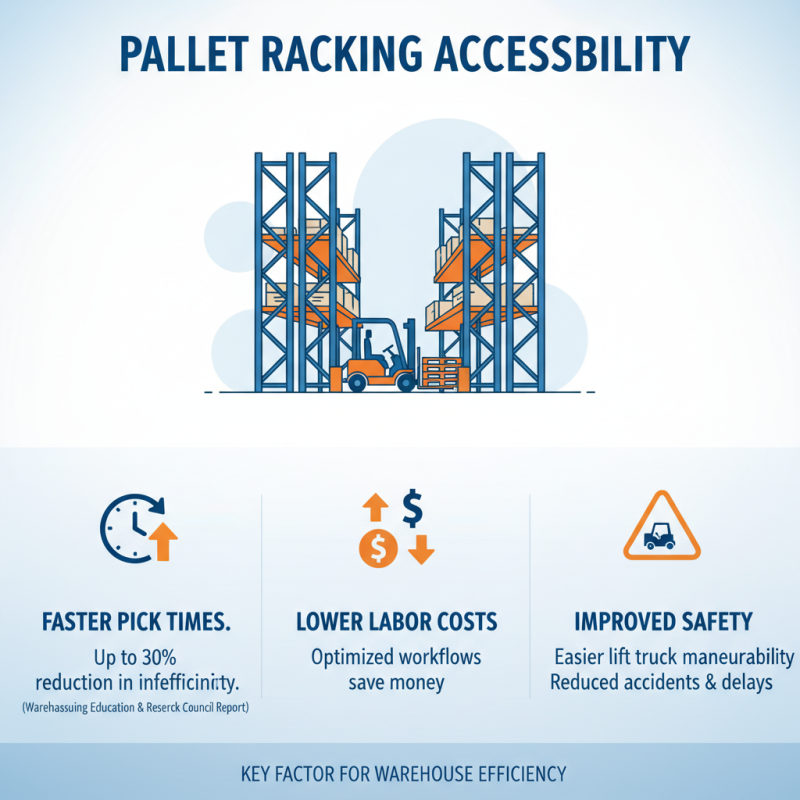
| 8 | Consider Accessibility | Plan aisles for forklift movement and picking efficiency. | Improve workflow and reduce delays. |
| 9 | Get Professional Advice | Consult with storage solution experts. | Tailored solutions for specific needs. |
| 10 | Review and Revise | Regularly assess storage systems for optimization. | Ensure long-term effectiveness and efficiency. |
Related Posts
-

Top 2025 Pallet Racking Solutions in Melbourne for Your Warehouse Needs
-

Best 10 Pallet Racking Solutions in Melbourne for Efficient Storage
-
How to Choose the Right Warehouse Storage Racks for Your Business Needs
-
How to Choose the Best Pallet Racking System for Your Warehouse Needs
-
How to Choose the Right Industrial Pallet Racks for Your Warehouse Needs
-
How to Choose the Right Industrial Pallet Racks for Your Warehouse Needs?
