Why Choose Pallet Rack Shelving for Your Warehouse Needs?
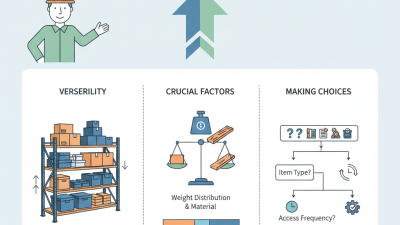
When managing a warehouse, selecting the right storage system is crucial. Among various options, pallet rack shelving stands out for its efficiency and versatility. This system allows you to maximize vertical space. A well-designed layout can improve accessibility and speed up order fulfillment.
Pallet rack shelving is not just about storage; it enhances organization. You can easily categorize products and tools, making retrieval more straightforward. However, it’s important to assess your specific needs before investing. Not every warehouse requires the same type of shelving. Factors like weight capacity and aisle width must be considered carefully.
While pallet rack shelving offers numerous benefits, it also has its challenges. Proper installation and maintenance are critical to prevent accidents. Regular inspections can help ensure safety and longevity. Ultimately, understanding the balance between functionality and safety is key to making the right choice.

Benefits of Pallet Rack Shelving for Efficient Warehouse Storage
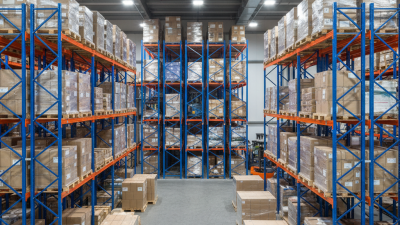
Pallet rack shelving offers numerous benefits for optimizing warehouse storage. These systems are designed to maximize vertical space, allowing businesses to use their facilities more efficiently.
With proper layout and organization, pallet racks can increase storage capacity by 30% or more. This helps in accommodating different sizes of products, ensuring that space is not wasted.
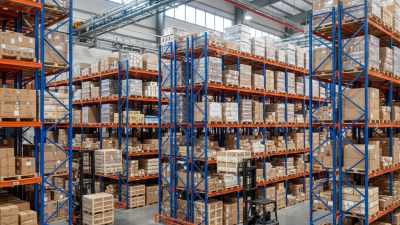
Additionally, pallet racks enhance accessibility. Products stored on these racks are easier to reach. This reduction in retrieval time can greatly improve overall warehouse efficiency. Employees can quickly locate and access items, leading to faster order fulfillment. However, safety remains a concern. Proper weight limits and maintenance checks are crucial. Neglecting these aspects can lead to accidents and damaged inventory.
Moreover, pallet racks can be adjusted easily to match changing inventory needs. As businesses grow, their shelving requirements may change. This adaptability makes pallet racks a long-term investment. However, not all warehouses may benefit equally from them. Understanding the specific needs of a warehouse is essential before making any decisions. Always evaluate the layout, inventory type, and employee workflows for the best results.
Types of Pallet Rack Shelving: A Comprehensive Overview
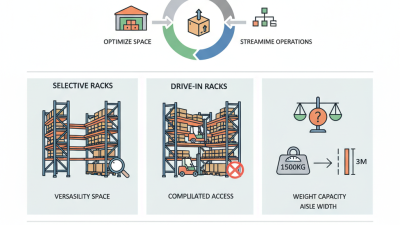
Pallet rack shelving is essential for efficient warehouse management. Various types of pallet racks serve different needs. For example, selective racks offer easy access to all pallets. They are ideal for facilities with a wide range of products.
According to the Material Handling Industry (MHI), over 35% of warehouse space goes unused. This underutilization can be mitigated with the right shelving system. Drive-in racks maximize storage density. They allow for high-volume storage with fewer aisles. However, inventory access can be challenging.
Tips: Always assess your inventory turnover before selecting a rack type. High turnover might favor selective racks, while low turnover could benefit from drive-in racks. Additionally, consider your warehouse layout. The right design can significantly impact efficiency.
Push-back racks provide another option for moderate-density storage. These racks use a system of carts that slide back on rails. It ensures fast access to multiple pallets deep. While effective, they can complicate maintenance if not carefully considered. Always factor in your operational needs and employee training when implementing new systems.
Factors to Consider When Choosing Pallet Rack Shelving
When selecting pallet rack shelving for your warehouse, several factors come into play. The layout of your warehouse is crucial. Consider the available space and vertical height. Maximizing this space can significantly increase storage capacity. Think about your inventory types as well. Different products require specific shelving solutions. Heavy items need robust racks, while lighter goods can use simpler shelving options.
Weight capacity is another critical factor. Each pallet rack has a maximum load capacity. Ensure the racks you choose can support your inventory without risk. Also, think about accessibility. Will staff easily reach the products? Wide aisles can enhance movement but cut storage space. Investing in efficient and safe design will pay off in the long run.
Safety regulations and compliance are vital too. Understand the local laws regarding warehouse safety standards. It’s essential to choose racks that comply with these standards. Reflect on your long-term needs as well. As your business grows, so will your storage requirements. Choosing the right pallet rack shelving today can save you potential headaches tomorrow.
Why Choose Pallet Rack Shelving for Your Warehouse Needs?
| Factor |
Description |
Importance |
| Load Capacity |
Pallet racks must hold the weight of heavy pallets securely. |
High |
| Customizability |
Ability to adjust shelf heights and configurations as inventory needs change. |
Medium |
| Space Efficiency |
Maximizing vertical space to increase storage capacity in limited areas. |
High |
| Safety Features |
Incorporating safety guards to prevent accidental falls and injuries. |
High |
| Durability |
Constructed from tough materials to withstand wear and tear over time. |
High |
| Ease of Assembly |
Simple assembly process can save time and labor costs. |
Medium |
Best Practices for Installing and Maintaining Pallet Rack Shelving
Installing pallet rack shelving in a warehouse requires careful planning and execution. Begin by evaluating the specific needs of your storage system. It is essential to calculate the weight capacity accurately. Each rack should support its designated load without any risk of damage or collapse. Using a proper anchoring method is crucial to ensure stability. Each component must be secured to the floor and other structures, minimizing the chance of accidents.
Regular maintenance is just as important as installation. Inspect your pallet racks frequently for signs of wear or structural damage. Look for rust, bent frames, or loose bolts. Address issues immediately to avoid larger problems. Implementing a routine check-up schedule can help maintain safety and efficiency. Additionally, ensure that staff are trained in safe loading practices. They should understand how to balance loads correctly on the racks. These simple steps can help significantly reduce the risk of workplace injuries and enhance operational flow.
While it may seem straightforward, there are challenges that can arise. Miscalculations during the installation can lead to instability. Not all staff will follow loading protocols. Consider ways to enforce best practices and emphasize the importance of safety. Reflection on these aspects can lead to a more effective storage solution. Investing time in planning and maintenance ultimately pays off for your warehouse needs.
Warehouse Pallet Rack Shelving Efficiency
Cost-Effectiveness of Pallet Rack Shelving Compared to Other Systems
Pallet rack shelving offers significant cost-effectiveness for warehouses. It maximizes storage space efficiently while reducing overhead costs. Compared to other shelving systems, pallets often require a lower initial investment. They provide flexible configurations, making it easier to adapt to changing inventory needs. This adaptability can save both time and resources.
When choosing a pallet rack system, consider load capacity and aisle space. Not every warehouse has the same needs. Analyze your inventory turnover rates. Higher turnover might require a different setup. Efficient use of space can lead to better productivity.
Tip: Regularly inspect your racks for wear. This can prevent accidents and costly downtime. Investing in higher-quality materials might seem expensive initially, but it pays off in the long run. Remember, a well-organized warehouse saves time and enhances safety.