What Is Push Back Racking and How Does It Work?
Push back racking is a high-density pallet storage system designed for warehouses with limited floor space. It uses nested carts or wheeled platforms that move along inclined rails. A forklift places pallets from the front, pushing older pallets deeper into the lane. When unloading begins, gravity helps the remaining pallets roll forward.
Gordon S. Frazelle, a respected warehousing researcher and author, states, “The objective of warehousing is to provide the right product, at the right time, at the right cost.” Push back racking supports this goal by reducing travel distance and using vertical space more efficiently. It is especially practical for storing multiple pallets of the same product. However, it normally follows a last-in, first-out pattern. That detail matters.
Picture a forklift entering a three-pallet lane. The operator loads the first pallet at the rear, then places the next pallets in front. Each position must match the rack’s rated capacity, pallet size, and load stability requirements. Rails, carts, beams, and safety stops all need regular inspection. A small alignment mistake can create major handling problems. It is not a magic answer.
This guide explains what push back racking is, how its loading and retrieval process works, and where it fits within modern warehouse planning. It also examines its advantages, limitations, safety considerations, and maintenance needs. The best system depends on product turnover, aisle width, pallet quality, and operator discipline. Careful design still matters most.
What Push-Back Racking Is: A 2–6-Pallet-Deep LIFO Storage System
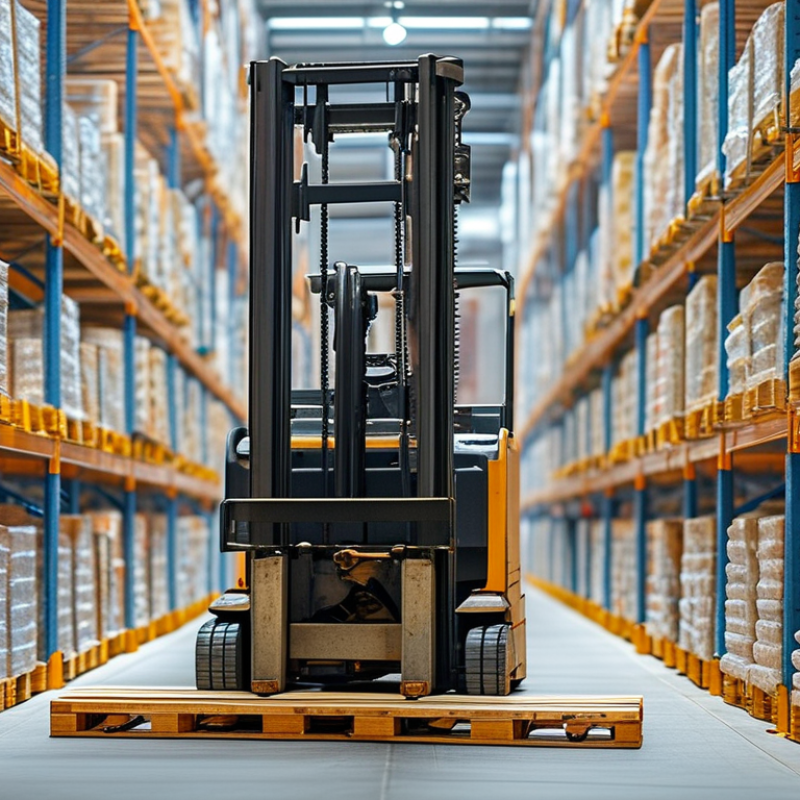
Push-back racking is a compact 2–6-pallet-deep LIFO storage system. LIFO means the last pallet loaded is usually the first pallet retrieved. Each lane uses nested carts or inclined rails, allowing pallets to move toward the front position. A forklift places a new pallet against the previous one. Gravity then creates controlled movement inside the lane.
This design can increase pallet positions without requiring a separate aisle for every pallet. Industry benchmarks from the 2024 MHI Annual Industry Report show that 55% of surveyed supply-chain professionals planned to increase investment in innovation. Space efficiency remains a practical reason to consider dense storage. The 2024 State of Logistics Report also placed United States business logistics costs at approximately 8.8% of GDP.
Push-back racking works best when products have several pallets per stock-keeping unit and predictable rotation. It is less suitable for strict FIFO inventory or highly mixed pallets. A six-pallet lane may sound efficient, but it can slow access when demand changes suddenly. Real warehouses are messier. Operators must check pallet condition, load weight, lane depth, and forklift clearance. Poorly maintained carts can create uneven travel and unsafe loading behavior. Warehouse testing should measure retrieval time, replenishment frequency, and damaged-pallet incidents before full installation. The system saves space, but it does not remove the need for disciplined inventory control.
Key Components: Frames, Inclined Rails, Carts, and Load-Beam Ratings
Push-back racking stores pallets on carts that move along inclined rails. Forklifts load and unload from one aisle side. Gravity then returns each cart toward the picking face. This creates last-in, first-out inventory movement. It suits dense storage and products with similar stock-keeping units.
The frames carry vertical loads and resist sway. They need correct anchoring, bracing, and protection from forklift impacts. Inclined rails control cart movement, so their slope, alignment, and rated capacity require careful checking.
Carts must roll smoothly under full pallet loads. A damaged wheel can create serious resistance. Small errors matter.
Load-beam ratings are not optional figures. They state the allowable load for a beam pair, usually under defined span and loading conditions. RMI’s ANSI MH16.1-2023 specification emphasizes engineered rack design, testing, and safe utilization. Operators should compare the rating plate with pallet weight, dimensions, and load distribution. Never assume two light pallets equal one evenly distributed load.
The 2024 MHI Annual Industry Report identifies labor pressure and technology investment as major supply-chain concerns. Push-back systems can reduce travel, but they do not remove operating discipline. Experienced teams inspect rails, carts, frames, and beam connections routinely. A layout may look efficient on paper. In practice, poor pallet quality can slow cart movement and reduce usable capacity. That weakness is often overlooked.
How It Works: Four Steps for Loading and Retrieving Pallets
Push back racking stores pallets on inclined rails or nested carts. Each lane usually holds pallets at different depths. The system supports last-in, first-out storage, making it useful for products with similar stock-keeping requirements. Correct loading matters because poor placement can affect every pallet behind it.
Loading starts when an operator checks the rack, pallet condition, and stated load limit. Damaged pallets should not enter the lane. The first pallet moves to the deepest available position. Forklift forks must stay level during placement. The pallet rests on the rails, not on the rack frame. The next pallet is then pushed forward gently, allowing the carts behind it to roll toward the back. Contact should be controlled. Too much force can damage products or components. The process continues until the lane reaches its approved capacity.
Retrieval begins at the front of the lane. The operator removes the nearest pallet with steady fork movement. As that pallet leaves, stored pallets roll forward under gravity. The next pallet stops at the loading face, ready for access. This is the fourth operating stage: retrieve, allow movement, then verify position. The operator should confirm that the pallet is stable before driving away. A clear aisle is essential.
Push back racking saves travel time, but it is not foolproof. Uneven loads may roll poorly. Dust can also affect movement. Regular inspections and careful training often prevent small issues from becoming expensive interruptions.
What Is Push Back Racking and How Does It Work?
Push-back racking is a LIFO storage system in which pallets are loaded and retrieved from the same aisle. In a typical four-position lane, each new pallet is pushed deeper into the lane, while removing the front pallet allows the remaining pallets to roll forward.
Safety and Design: Applying RMI MH16.1 and Manufacturer Load Limits
Push-back racking stores pallets on nested carts that roll along inclined rails. Operators load from one aisle, so older pallets move backward as new pallets enter. This compact design improves storage density, but it concentrates forces at frames, rails, and cart stops. A damaged rail can quickly change system behavior. Small defects matter.
Safety begins with a design checked against RMI MH16.1 and actual site conditions. The standard guides structural design, connections, stability, and allowable performance for steel storage racks. It does not create a universal capacity number. The manufacturer must provide rated loads for each beam level, bay, cart position, and configuration. These limits depend on pallet weight, load dimensions, rail spacing, frame height, anchorage, and seismic conditions. Never treat a capacity plaque as optional. It should match the installed layout, not an old drawing.
Trained operators should place pallets squarely and keep loads centered. Forklift impacts deserve immediate attention, even when damage looks cosmetic. Inspect rails, wheels, beams, braces, anchors, and locking components on a documented schedule. Remove unsafe equipment from service. A qualified person should approve repairs and changes to pallet types or level spacing. In practice, teams sometimes assume heavier steel means higher capacity. That assumption can fail. Engineering records, field measurements, and manufacturer instructions must agree before loading begins.