In today's fast-paced world, efficient storage and organization are crucial. Racking and shelving systems play an essential role in maximizing space and improving productivity. Businesses must evaluate their unique needs. Many options exist, but which ones are truly effective?
Understanding racking and shelving options can be overwhelming. There are various designs, materials, and configurations available. Each choice presents its own benefits and challenges. A well-structured system can ease clutter and streamline operations. But selecting the wrong type may lead to wasted space and inefficiencies.
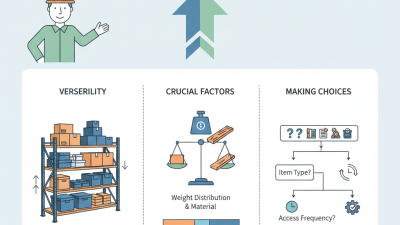
Consider factors like load capacity, durability, and accessibility when choosing systems. Poor decisions can cause frustration in the long run. Real-world applications can differ greatly. It is vital to analyze your specific requirements carefully and reflect on past choices. Making the right investment will yield better organization and ultimately enhance workflow.
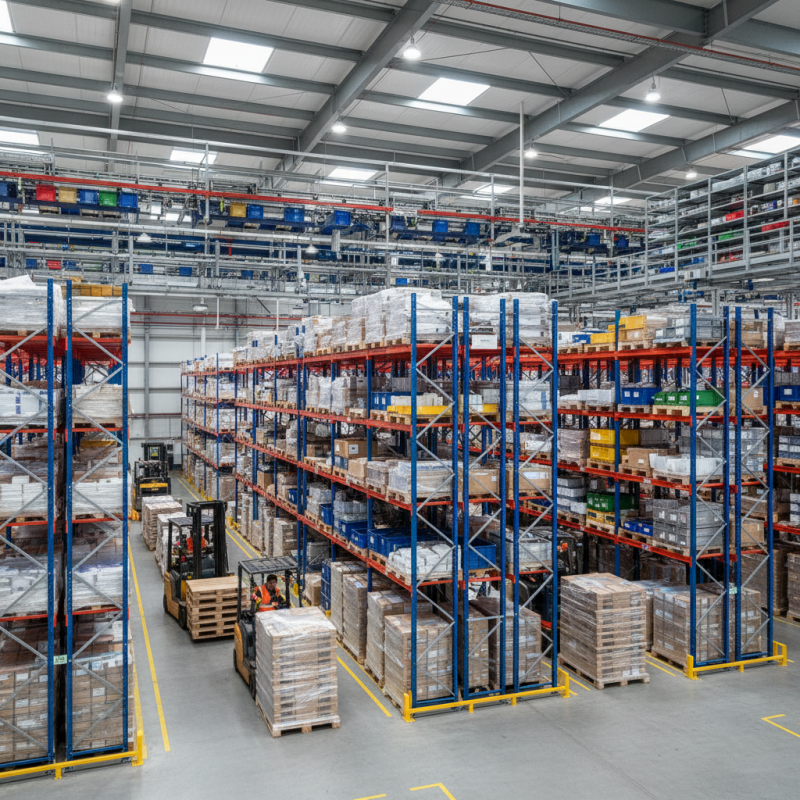
Racking and shelving solutions can transform any storage space into a well-organized area. They maximize vertical space and enhance efficiency. By creating a structured environment, businesses can access their products or files quickly. Different types of shelving, such as adjustable or mobile options, cater to various needs. These systems allow easy reconfiguration as inventory changes.
Proper organization improves productivity but comes with challenges. Poorly designed racking can lead to wasted space and increased clutter. Regularly reviewing your storage layout is crucial. Are you making the most of your available space? It’s essential to assess frequently. Simple adjustments can lead to significant improvements.
Consider investing time in understanding your specific storage requirements. Not every solution works for every environment. Sometimes, what seems perfect may not be practical. Engaging staff in discussions can provide new insights. Their hands-on experience offers valuable feedback for optimizing storage solutions.
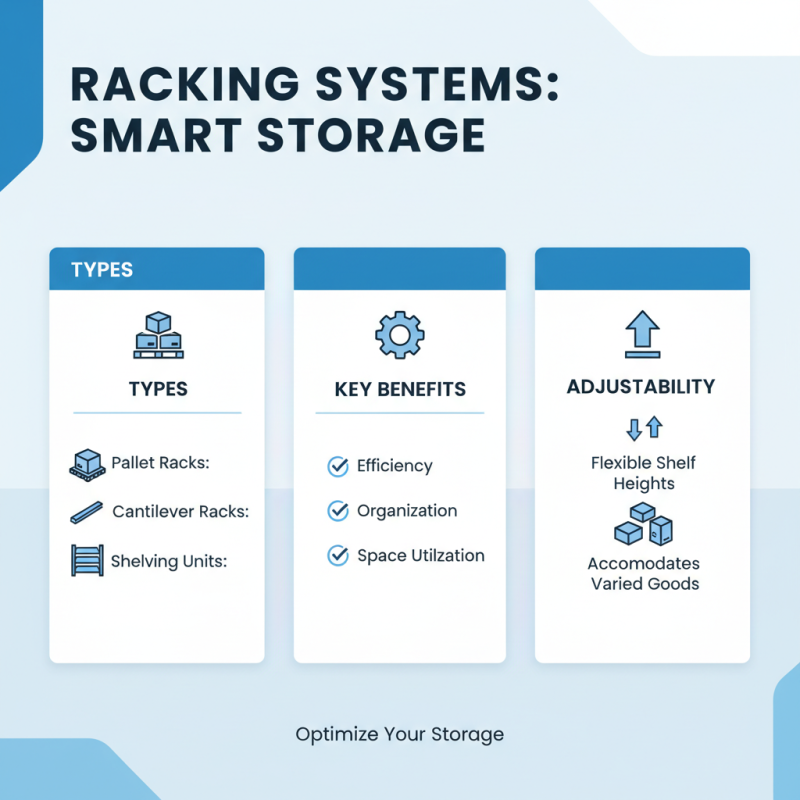
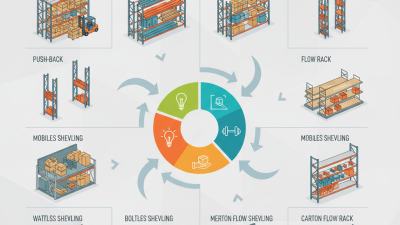
Racking systems play a crucial role in efficient storage and organization. Various types exist, each with unique features and benefits. Adjustability is a significant advantage. Many racking systems allow for flexible shelf heights. This flexibility helps accommodate different types of goods. For example, pallet racks are ideal for large items, while cantilever racks suit bulky loads.
When selecting a racking system, consider your space. You could choose between bolted and boltless designs. Boltless systems often offer quicker assembly. However, some users find bolted options sturdier. This choice could impact long-term effectiveness. Determine your storage needs carefully.
Tips: Always measure your space before purchasing. Avoid overcrowding shelves; this could lead to safety concerns. Ensure that items are accessible. Organizing by size and weight can improve efficiency.
When it comes to storage, choosing the right shelving material is crucial. Different materials serve various needs.
Steel is strong and durable, ideal for industrial settings.
Wooden shelves bring warmth and aesthetics, perfect for home use.
Plastic shelves are light and waterproof, making them great for damp areas like basements.
Tips: Consider the weight of your items. Heavy items need sturdy shelves.
Think about the moisture levels in your environment. This influences material choice.
For example, avoid wood in humid areas.
While it is essential to consider durability, cost is also a factor. Sometimes, a cheaper option may not last long.
Reflect on your storage needs carefully. Will you frequently change items?
Adjustable shelves might suit you better. Don’t rush your decision; ponder your options.
That can lead to better organization in the long run.
Maximizing storage space requires strategic planning and organization. Start by assessing your available area. Consider both vertical and horizontal space. Use tall shelving to utilize height. This often overlooked tip can dramatically increase storage efficiency.
When categorizing items, think about frequency of use. Place frequently used items at eye level for easy access. Less commonly used items can sit on higher shelves. This simple trick saves time and frustration.
Don’t forget about labeling. Clear labels make finding items quicker. A messy space can hinder productivity and create stress. Every box and shelf should have a clear purpose. Regularly review and purge unneeded items to maintain order. It's a cycle of reflection and adjustment.
Proper maintenance of racking and shelving systems is crucial for their longevity and effectiveness. Regular inspections should be part of your routine. Check for signs of wear, rust, or structural damage. Pay attention to any loose screws or bolts, as these can lead to serious issues down the line. Dust and debris can accumulate, impacting the overall functionality. Cleaning shelves regularly helps to maintain a safe and organized storage environment.
Consider using protective measures to enhance durability. Adding corner guards can prevent damage from heavy equipment. Avoid overloading your shelves. Understand the weight limits and abide by them. It’s easy to slip into the habit of cramming items, but it compromises safety and stability. If your shelves bend or bow, reassess your storage methods.
Sometimes, we neglect simple tasks, resulting in premature wear. Skipping maintenance might save time now, but it can lead to larger problems later. Identify areas where you can improve your maintenance schedule. Utilize checklists to stay organized. Implementing small and consistent maintenance efforts can significantly extend the lifespan of your racking and shelving solutions.