What is Serrated Bar Grating and Its Benefits for Buyers?
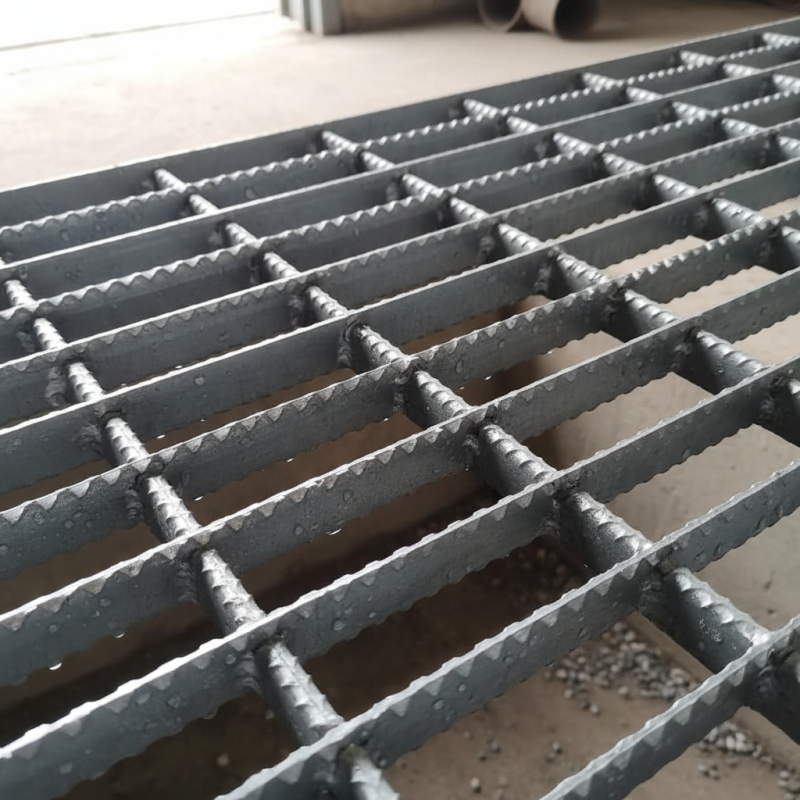
Serrated Bar Grating is an innovative solution in architectural and industrial applications. It offers unique advantages that set it apart from traditional grating types. This product consists of steel bars with serrated edges, which enhance traction and safety.
One significant benefit of Serrated Bar Grating is its slip-resistant surface. This feature is vital in environments where safety is a priority. Users can expect reduced accidents in areas subjected to moisture or debris. Additionally, the design allows for efficient drainage, minimizing the risk of water accumulation.
The durability of Serrated Bar Grating is another factor that buyers should consider. Made from high-quality materials, it can withstand heavy loads and harsh conditions. However, potential buyers must reflect on their specific needs. Understanding the environment and application will ensure they choose the right product for their projects.
What is Serrated Bar Grating: An Overview of Its Design Features
Serrated bar grating is a specialized type of metal framework designed to provide superior slip resistance. Its surface features a series of serrated edges that enhance grip, making it ideal for environments prone to spills or moisture. According to recent industry reports, developers in the construction sector emphasize the safety aspects of such materials, noting a 30% reduction in slip-related accidents with proper installations of serrated grating.
The design of serrated bar grating allows for efficient drainage, with spaces that facilitate the quick flow of liquids. This attribute is particularly beneficial in industrial settings where water and other materials accumulate. Experts suggest that using serrated grating can reduce maintenance costs by up to 25%, as it minimizes the need for frequent clean-ups.
Moreover, the versatility of serrated bar grating extends beyond safety; it can be customized for various applications. From walkways to platforms, its adaptability makes it a preferred choice for many industries. However, not every installation goes smoothly; improper fitting can lead to issues. Stakeholders are encouraged to assess their specific needs carefully before selection.
Key Materials Used in Serrated Bar Grating and Their Impact on Durability
Serrated bar grating is a flooring and construction material known for its slip-resistant surface. The durability of this grating largely depends on the materials used in its production. Steel and aluminum are two common choices. Steel, for instance, often features a hot-dipped galvanized finish, enhancing rust resistance. This treatment contributes to an extended lifespan, making it a popular option for outdoor applications.
Aluminum is another top choice due to its lightweight nature and resistance to corrosion. Research shows that aluminum grating can last over 30 years in harsh environments, thanks to its oxidation-resistant properties. Specialty coatings can further improve its durability and performance.
Tips: When choosing serrated bar grating, consider the environment it will be used in. Would it face heavy foot traffic or exposure to chemicals? Matching the material to its intended use is vital for longevity.
It's important to remember that not all grating is the same. A common oversight is assuming that thicker bars always mean better durability. The spacing of the bars and their serration pattern also play critical roles. Conducting thorough research into your options can lead to better decision-making and savings in the long run.
What is Serrated Bar Grating and Its Benefits for Buyers? - Key Materials Used in Serrated Bar Grating and Their Impact on Durability
| Material | Thickness (mm) | Weight (kg/m²) | Corrosion Resistance | Load Capacity (kN) |
| Mild Steel | 25 | 10 | Low | 5 |
| Stainless Steel | 20 | 8 | High | 7 |
| Aluminum | 18 | 6 | Moderate | 4 |
| Fiberglass | 25 | 4 | Excellent | 6 |
Common Applications of Serrated Bar Grating Across Various Industries
Serrated bar grating finds extensive use across various industries. This durable material is particularly popular in environments where safety and functionality are paramount. The unique serrated design enhances slip resistance, making it suitable for high-traffic areas. Moreover, its lightweight structure facilitates easy installation in both new constructions and renovations.
In the industrial sector, serrated bar grating is often employed in walkways and platforms. It effectively drains liquids, preventing accumulation that could lead to slip hazards. Additionally, its ability to support heavy loads makes it ideal for manufacturing and processing facilities. In commercial settings, it aids in creating safe access routes while contributing to an aesthetically pleasing environment.
The construction industry also benefits from serrated bar grating. It’s widely used in stair treads, offering both grip and strength. However, its installation can be tricky if done without proper guidance. Over time, some users may overlook maintenance needs, leading to wear and tear. This highlights the necessity for periodic assessments to ensure safety and performance.
Benefits of Serrated Bar Grating: Safety, Stability, and Drainage Efficiency
Serrated bar grating stands out for its unique design and advantages. Its serrated edges create a non-slip surface, enhancing safety in various environments. This feature is particularly crucial in areas prone to moisture, as it minimizes the risk of slips and falls.
Stability is another significant benefit. The serrated design provides excellent load-bearing capacity, making it ideal for heavy machinery or pedestrian traffic. This durability ensures the grating can withstand harsh conditions, adding to its reliability in industrial settings.
**Tips:** Always assess the weight and volume of traffic in your area before installation. Ensure the chosen grating matches your specific needs. Regular inspections are vital. They help maintain safety and functionality.
Drainage efficiency is a notable feature as well. The design allows water to flow freely, reducing the risk of puddling. In environments where water accumulation is a concern, this efficiency can prevent accidents and structural damage. Prioritizing proper drainage in grating selections can lead to long-term benefits.
Benefits of Serrated Bar Grating
Cost Analysis: Long-term Savings from Using Serrated Bar Grating Systems
Serrated bar grating offers significant advantages for buyers seeking durable flooring solutions. When looking at costs, the long-term savings are quite impressive. These grating systems are known for their strength and resistance to wear. Over time, they require less maintenance than traditional flooring options, which can diminish costs.
Maintenance can often be overlooked. Some buyers may initially think of the higher upfront costs, but these gratings last much longer. Regular flooring may need replacements sooner. Investing in serrated bar grating means one can avoid frequent repairs.
Another aspect to consider is safety. Serrated bars provide excellent traction. This feature can reduce accidents and injuries. Fewer workplace incidents lead to lower insurance costs. The initial investment may seem high, but the savings accumulate. The overall reliability and efficiency of these systems make them a worthy consideration for any buyer.