What Are the Top 10 Cantilever Racking Suppliers?
Choosing among the top 10 cantilever racking suppliers requires more than comparing prices or product photographs. Long steel pipes, timber boards, and aluminum profiles place unusual demands on storage equipment. A reliable supplier should understand load length, arm capacity, column spacing, aisle clearance, floor conditions, and future expansion. It should also provide clear drawings, load data, installation guidance, and inspection support.
Warehouse design scholar John J. Bartholdi III states, “The purpose of a warehouse is to provide a buffer between supply and demand.” That principle applies directly to cantilever racking. The system must protect inventory while keeping frequently handled materials accessible. Stronger is not always better. A poorly matched frame can waste floor space, restrict forklift movement, or create difficult loading points.
This guide examines ten leading cantilever racking suppliers through practical criteria. These include engineering capability, product range, customization, manufacturing quality, delivery reliability, and after-sales service. Safety documentation matters, too. So does real installation experience.
Details often reveal the difference.
Some suppliers excel in heavy-duty steel storage. Others focus on modular systems, compact warehouses, or specialized building materials. No supplier is perfect. Even a reputable company may have limited regional support or longer lead times. That possibility deserves attention.
The rankings should therefore be treated as a starting point, not a final decision. Measure your materials carefully. Confirm actual loads. Ask difficult questions before signing an order. The best cantilever racking supplier is the one that fits your operation, site, budget, and long-term handling needs.
What Is Cantilever Racking and How Does It Work?
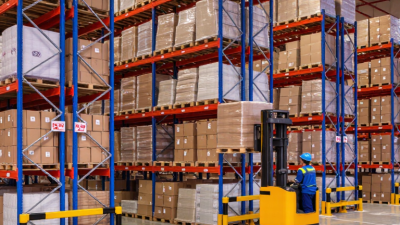
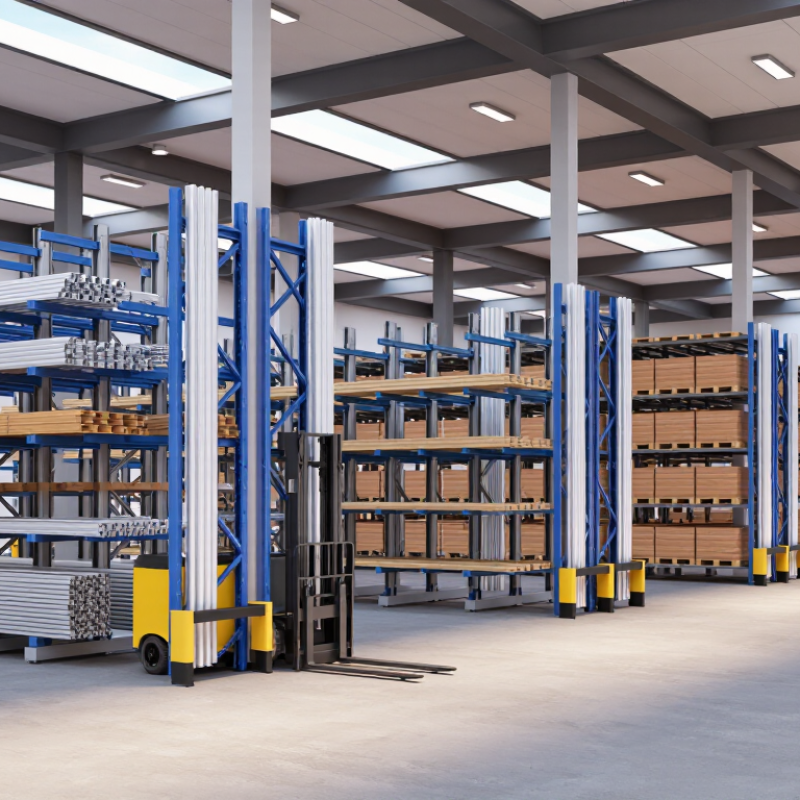
Cantilever racking stores long, bulky materials that ordinary pallet racks handle poorly. Timber, pipes, steel sections, and panels rest on horizontal arms fixed to upright columns. There are no front posts blocking the load. That open face allows forklifts or cranes to place materials directly from the aisle. Simple in appearance.
Each column transfers weight into a base and the floor. Arms carry the load, while braces connect columns and resist movement. Adjustable arm levels help workers separate different material sizes. Bolted connections, locking pins, and floor anchors are important details. A small missing pin can create a serious hazard. The rack must match the load length, weight, centre of gravity, and handling equipment.
In practice, choosing among the top ten cantilever racking suppliers requires more than comparing prices. Request stamped load calculations, installation instructions, inspection guidance, and replacement-part availability. Check whether the supplier measures floor conditions and aisle clearance before designing the system. A qualified engineer should verify unusual loads or seismic requirements. It is tempting to maximise storage density, but narrow aisles may slow operations and increase contact damage. The less comfortable truth is that many failures begin with poor loading habits, not weak steel. Operators should place heavier materials on lower arms and keep loads centred. Regular inspections should record bent arms, loose anchors, damaged braces, and overloaded levels. I would also question any proposal that offers perfect capacity without discussing real forklift movement.
What Criteria Define the Top Cantilever Racking Suppliers?
What Are the Top 10 Cantilever Racking Suppliers?
The top suppliers are defined by engineering quality, not attractive catalogs. MHI’s 2024 Annual Industry Report surveyed more than 2,200 supply-chain professionals. It highlights labor pressure, inventory complexity, and technology investment as ongoing challenges. A strong supplier should respond with accurate layouts, digital load plans, and practical installation support.
Start with structural evidence. Ask for calculations covering arm loads, column capacity, bracing, floor conditions, and seismic requirements. ANSI MH16.3-2022 provides recognized guidance for industrial steel storage racks. Suppliers should also provide test records, material traceability, and clear safety factors. Watch the details. A 12-foot arm holding bundled steel needs different engineering from one holding timber or plastic pipe.
Service separates serious suppliers from ordinary fabricators. Check delivery accuracy, installer training, inspection procedures, replacement-part availability, and warranty terms. The U.S. Bureau of Labor Statistics recorded 5,283 fatal work injuries in 2023, so warehouse safety cannot be treated as paperwork. A supplier should help identify bent arms, missing pins, overloaded bays, and damaged anchors during inspections. Price still matters, but total cost matters more. A cheaper system may bring higher rework, slower picking, or difficult future expansion. No scorecard is perfect. References can sound impressive, yet a site visit may reveal uneven labeling or poor housekeeping. Reliable evaluation needs documented evidence, not confident promises.
Who Are the Top 10 Cantilever Racking Suppliers?
The top ten cantilever racking suppliers are usually proven manufacturers, not simply popular names. They include heavy-duty steel producers, modular warehouse specialists, custom fabrication companies, and installation-led storage contractors. The strongest suppliers provide adjustable arms, reinforced columns, and clear load tables. They also support unusual materials, such as timber, pipes, steel bars, and furniture panels.
A reliable supplier should explain capacity at every arm level. For example, a 6-meter column may carry different loads than a shorter unit. Look for powder-coated finishes, guarded bases, tested welds, and replacement components. Experienced suppliers also inspect floor conditions before installation. That detail matters. Poor anchoring can create expensive problems later. A perfect ranking is impossible because warehouse needs vary. I would recheck any supplier claiming universal performance.
Tips: Request layout drawings, signed load calculations, installation records, and maintenance guidance. Compare delivery times, not only prices. Ask whether the supplier has handled loads similar to yours. Visit a completed project if possible. A trustworthy supplier will discuss limitations openly, even when the answer is inconvenient. This honesty often reveals more than polished product photographs.
How Do Leading Suppliers Compare in Products and Services?
Comparing the top 10 cantilever racking suppliers requires more than reading product brochures. A strong supplier should offer suitable load capacities, adjustable arm lengths, and stable base designs. Check whether the system supports steel bars, timber, pipes, or irregular loads. Coated steel may suit dry warehouses, while galvanized finishes can perform better in damp areas. In warehouse audits, I also examine column thickness, anchor details, and aisle clearance. Small design errors can reduce usable space quickly.
Leading suppliers often differ more in service than in basic rack features. Some provide accurate site surveys, structural calculations, layout drawings, and installation supervision. Others sell standard components with limited engineering support. Delivery speed matters, but rushed installation can create expensive corrections. I once rated a supplier highly because of its low quotation. That approach was too narrow. After-sales inspections, replacement-part availability, and clear warranty terms deserve equal attention. References from warehouses with similar loads are especially useful.
Tips: Ask each supplier for a capacity chart and a sample layout. Compare delivered cost, not only unit price. Request details about floor conditions, anchoring, inspections, and future expansion. A practical trial bay can reveal awkward loading angles before the full order. Be cautious when sales advice sounds confident but lacks signed calculations.