Top 10 Warehouse Shelving Solutions for Optimal Space Utilization?
Warehouse shelving is a vital component of effective inventory management. With proper shelving, businesses can enhance their space utilization and streamline operations. According to a report by the Material Handling Industry of America, efficient shelving systems can improve space usage by as much as 30%. This statistic highlights the potential impact of selecting the right shelving solutions.
Many companies underestimate the importance of optimizing warehouse shelving. When faced with limited space, inefficient shelving choices can lead to clutter and disorganization. In fact, a study from the Warehouse Education and Research Council indicates that poor shelving can increase retrieval times, negatively affecting productivity. It’s necessary to reflect on how every inch of space is used, ensuring that it serves a purpose.
Choosing the right warehouse shelving requires careful consideration. Factors such as weight capacity, material type, and layout should all be evaluated. The challenge is to balance cost-effectiveness with functionality. As businesses scale, it is common to overlook the adaptability of shelving. Revisiting and refining storage solutions can lead to substantial gains in operational efficiency.
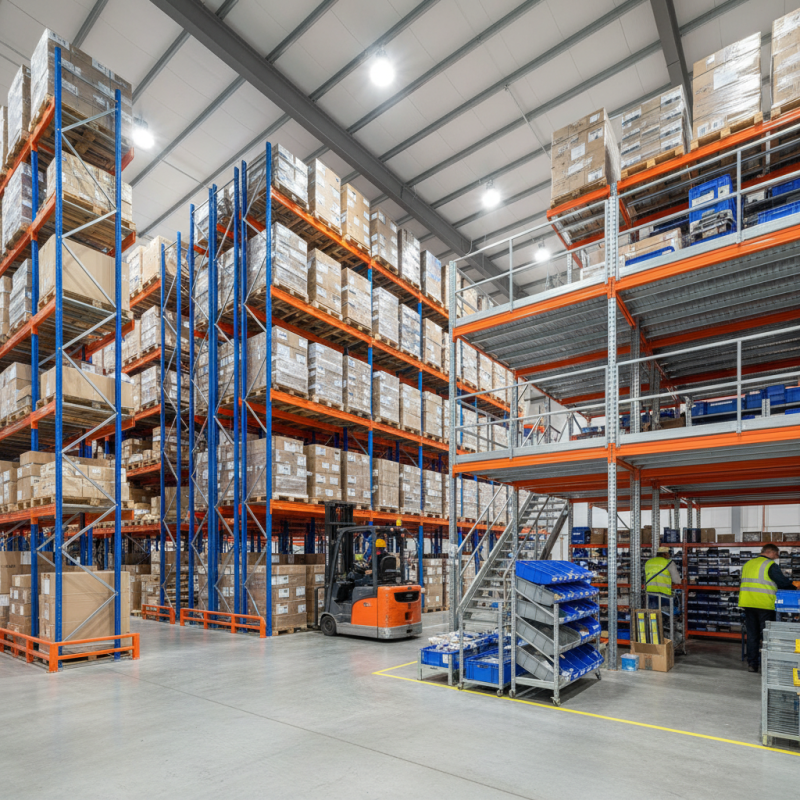
Key Factors Influencing Warehouse Shelving Selection
When it comes to selecting warehouse shelving, several key factors play a crucial role. The weight capacity of the shelving system is essential. Consider the heaviest items you will store. Shelves must support these loads without bending or breaking. This often requires thorough inspections, which can be time-consuming.
Another factor is the size of the shelving units. Measure your available space accurately. Oversized shelves waste valuable room. Conversely, undersized shelves can lead to inefficient stacking. Ensure that shelves allow easy access to items. Wide aisles can improve picking speed but reduce shelf space.
Tips: Think about vertical space usage. High shelves maximize floor area but create challenges for retrieval. Invest in ladders or lifts. Regularly reassess your shelving needs as inventory changes. What worked last year might not suit your current items. Flexibility is essential to adapt.
Also, consider the material of the shelves. Metal shelves are durable but can rust in humid conditions. Wooden shelves can hold weight well but may not be as sturdy. Reflect on the longevity and the potential cost of replacement.
Top 10 Warehouse Shelving Solutions for Optimal Space Utilization
| Shelving Solution | Material | Weight Capacity (lbs) | Dimensions (L x W x H) | Adjustability | Ideal Use Case |
|---|---|---|---|---|---|
| Heavy-Duty Racking | Steel | 4000 | 48 x 36 x 72 in | Yes | Bulk storage |
| Cantilever Racking | Steel | 3000 | 72 x 48 x 96 in | Yes | Long materials |
| Boltless Shelving | Steel | 1500 | 48 x 24 x 72 in | Yes | General storage |
| Mobile Shelving | Steel | 2000 | 72 x 36 x 84 in | Yes | High-density storage |
| Adjustable Pallet Racking | Steel | 5000 | 96 x 48 x 144 in | Yes | Palletized goods |
| Wire Shelving | Steel | 750 | 60 x 24 x 72 in | Yes | Food storage |
| High-Density Mobile Shelving | Steel | 3500 | 72 x 36 x 60 in | Yes | Space-saving |
| Utility Shelving | Plastic/Metal | 600 | 48 x 18 x 72 in | Limited | Light storage |
| Corner Shelving Units | Wood/Metal | 300 | 36 x 36 x 72 in | No | Corner storage |
| Plastic Bin Shelving | Plastic | 250 | 48 x 24 x 48 in | No | Small parts organization |
Related Posts
-

Top 10 Warehouse Pallet Racks to Optimize Your Storage Space in 2025
-
Why You Should Choose Dexion Pallet Racking for Efficient Warehouse Storage
-

Top 10 Longspan Shelving Solutions for Maximizing Storage Efficiency
-
How to Choose the Right Industrial Pallet Racks for Your Warehouse Needs
-
How to Choose the Right Warehouse Storage Racks for Your Business Needs
-
How to Choose the Best Pallet Racking System for Your Warehouse Needs
