The Wafer Roll Machine is a fascinating piece of equipment. It transforms batter into crispy, delicious wafer rolls. These rolls are popular in many desserts and confections. Understanding how this machine works is essential for those in the food industry.
At its core, the Wafer Roll Machine has a simple mechanism. It heats the batter and shapes it into thin sheets. Once cooked, the sheets are rolled into a cylindrical shape. This process requires precise temperature control and timing. Many factors can impact the final product quality.
It’s intriguing how something so simple can lead to complex outcomes. Manufacturers often face challenges, such as varying batter consistency. Innovations are necessary to improve efficiency. Despite these challenges, the demand for wafer rolls continues to grow. The Wafer Roll Machine remains vital for production in bakeries and factories. Understanding its operation can lead to better products and processes.
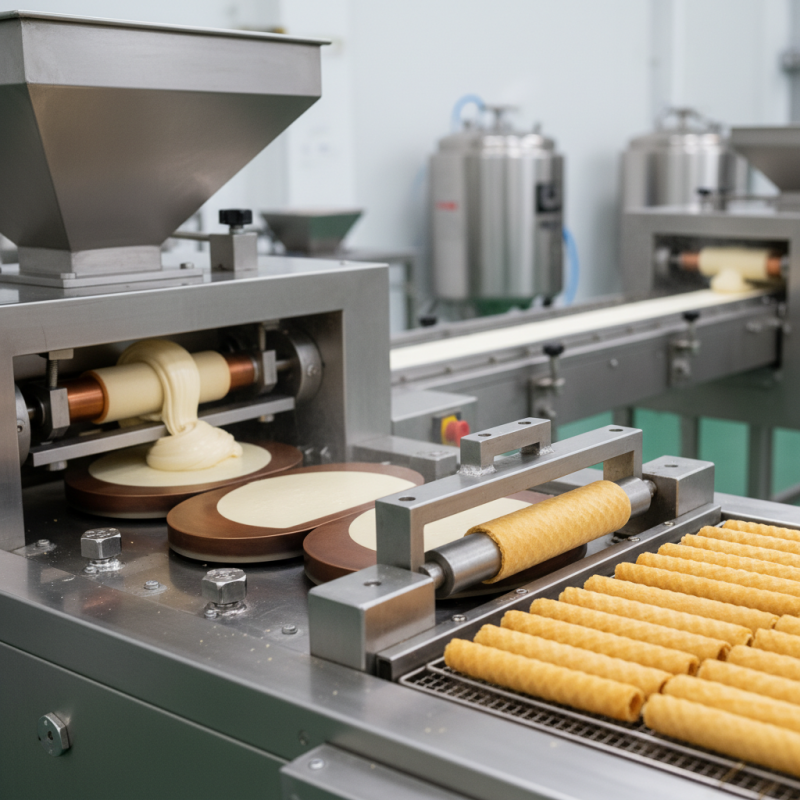
A wafer roll machine is an innovative piece of equipment designed for producing wafer rolls. These rolls, known for their crispy texture and hollow shape, are popular snacks worldwide. The global wafer market is projected to grow by 5.4% annually, highlighting rising demand for such products. This surge drives the need for efficient manufacturing solutions.
These machines operate by mixing ingredients to form a batter. The batter is then poured onto heated plates, forming thin sheets. Once baked, the sheets are shaped into rolls. This process requires precision. Variations in temperature and timing can lead to defects in texture or flavor. Many manufacturers still struggle with this critical aspect.
Modern wafer roll machines come with improved control systems. They help in maintaining consistent quality, but setup can be complex. Training operators is essential, yet some companies overlook this. Production may face delays due to improper handling or machine faults. Ensuring a skilled workforce can significantly improve output and reduce waste.
A wafer roll machine is essential for producing delightful wafer rolls. It combines precision and efficiency. The key components play a vital role in its operation. Understanding these parts is crucial for effective use.
The heating element is one of the main components. It ensures the wafer batter is cooked evenly. Proper heat control affects the texture. Too much heat can result in burnt rolls, while too little leaves them undercooked. Balancing this can be tricky, but it's necessary for quality.
Another important part is the forming plate. This molds the batter into the desired shape. It needs to be flexible yet durable. Choosing the right material influences the final product. Operators may find it challenging to achieve the perfect thickness. Different recipes might require adjustments, adding a layer of complexity to the process. Finally, the cooling system is vital. It helps the warm rolls solidify quickly. If rolls cool too slowly, they may lose their crispiness. Attention to these components elevates the overall quality of the wafer rolls produced.
Wafer roll production is a fascinating process. It involves several key stages that result in the thin, crispy treats many enjoy. The demand for wafer rolls continues to grow, with the global market expected to reach $3.5 billion by 2027. However, this industry faces challenges, particularly in maintaining quality while scaling production.
The key steps in making wafer rolls include mixing, baking, and cooling. First, ingredients like flour, sugar, and water are blended. This mixture is usually about 60% water. After mixing, the batter is spread onto a hot plate. This is where precision matters. If the temperature isn't just right, the rolls may be too soft or burnt. Many factories struggle with consistency here.
Once baked, the wafer must be cooled before rolling. This cooling is critical, as it helps the roll maintain its shape. Proper cooling can reduce breakage rates, which can reach up to 15% in less efficient systems. Post-cooling, filling options vary widely. This customization can add complexity to the process, yet it’s essential for meeting consumer preferences. Balancing production speed and quality remains a constant concern in wafer roll manufacturing.
Wafer rolls are increasingly popular in the food industry. They are lightweight and crispy. Often, they are used to create dessert cones or as snack items. The versatility of wafer rolls allows for a range of flavors and fillings. They can be sweet or savory, catering to various taste preferences.
In ice cream shops, wafer rolls serve as cones or unique toppings. They add texture and crunch to the soft cream. Many bakeries fill wafer rolls with cream or chocolate, creating delightful treats. However, sometimes the rolls break during production. This can lead to waste and dissatisfaction among customers. Finding reliable solutions for this is important for food manufacturers.
Moreover, wafer rolls can enhance food presentations. Caterers use them creatively to elevate dishes. For example, they can hold sauces or dressings. This adds an appealing touch to appetizers. Yet, there is a constant challenge to maintain freshness and crispness. Packaging and storage play crucial roles in this process. Addressing these issues can lead to better food products in the market.
| Dimension | Details |
|---|---|
| Machine Type | Wafer Roll Machine |
| Function | Produces wafer rolls by baking thin batter on a heated surface and rolling it into a cylindrical shape. |
| Key Components | Baking plates, rolling mechanism, temperature control system, and batter dispenser. |
| Typical Production Capacity | 500 to 1000 rolls per hour |
| Applications | Desserts, ice cream cones, snack foods, and chocolate rolls. |
| Advantages | High product quality, customizable shapes and sizes, and efficient production processes. |
| Common Materials | Wheat flour, sugar, and flavoring agents. |
Wafer roll machines are becoming essential in food production. They efficiently create thin, crispy wafers. The technology behind these machines allows for high-volume production. According to recent industry reports, production efficiency can improve by 30% when using automated wafer roll machines.
One key advantage of these machines is their versatility. They can produce various wafer sizes and flavors, catering to diverse consumer preferences. Data shows that 65% of consumers prefer unique flavor combinations. This flexibility can lead to increased sales. Moreover, wafer roll machines reduce production costs by minimizing waste during manufacturing. Efficient use of raw materials is critical in today’s market.
However, not all machines achieve optimal performance. Some may require frequent maintenance or experience downtime. This can disrupt production schedules. Companies need to choose equipment wisely. Investing in high-quality machines can pay off. Ultimately, the goal is to enhance product quality while satisfying consumer demands.