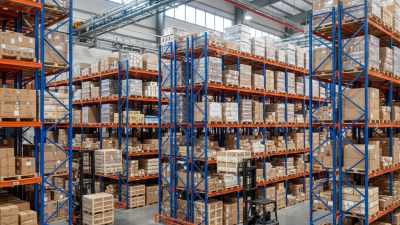
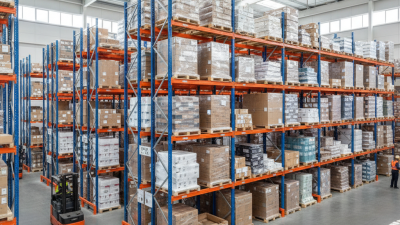
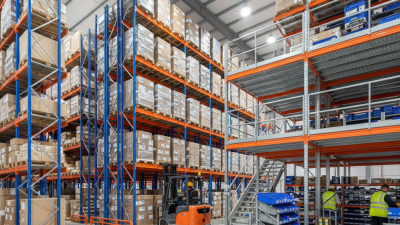
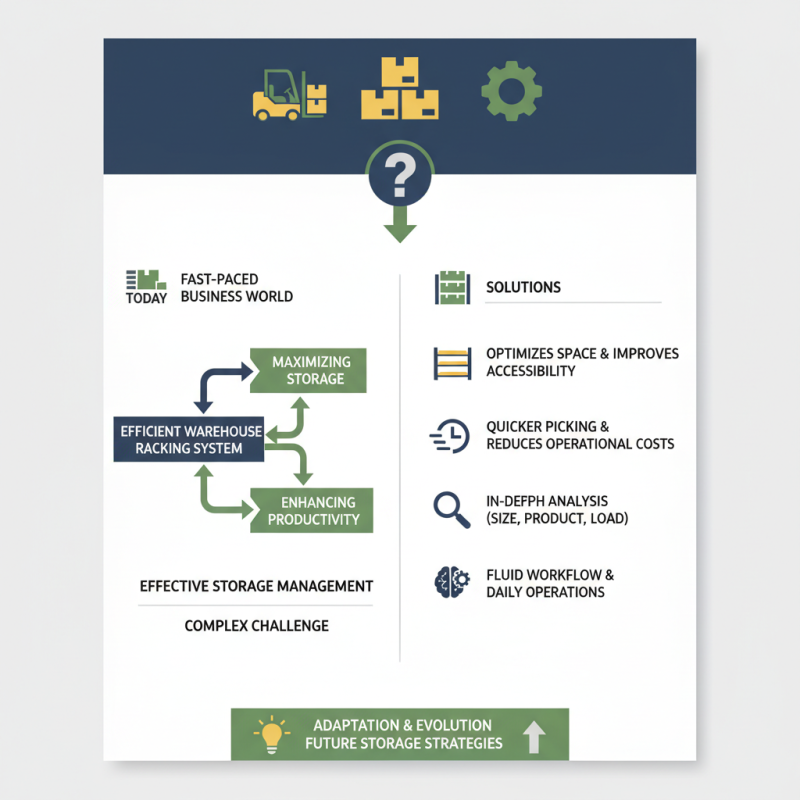
In today's fast-paced business world, an efficient warehouse racking system is crucial for maximizing storage and enhancing productivity. Businesses strive for effective storage management. This can be a complex challenge. Selecting the right warehouse racking system can impact inventory management significantly. Various solutions exist, each with unique advantages.
A well-designed warehouse racking system not only optimizes space but also improves accessibility. It enables quicker picking processes and reduces operational costs. However, choosing the most suitable system often requires in-depth analysis. Factors like warehouse size, product types, and load capacities must be evaluated carefully. The wrong choice can lead to wasted resources and operational inefficiencies.
In the quest for efficient storage solutions, businesses need to recognize their specific requirements. It's not just about fitting in more shelves. It's about understanding how to create a fluid workflow that aligns with daily operations. As industries evolve, so too must their storage strategies. Exploring the best warehouse racking systems is an ongoing task, one that requires thoughtful consideration and adaptation.
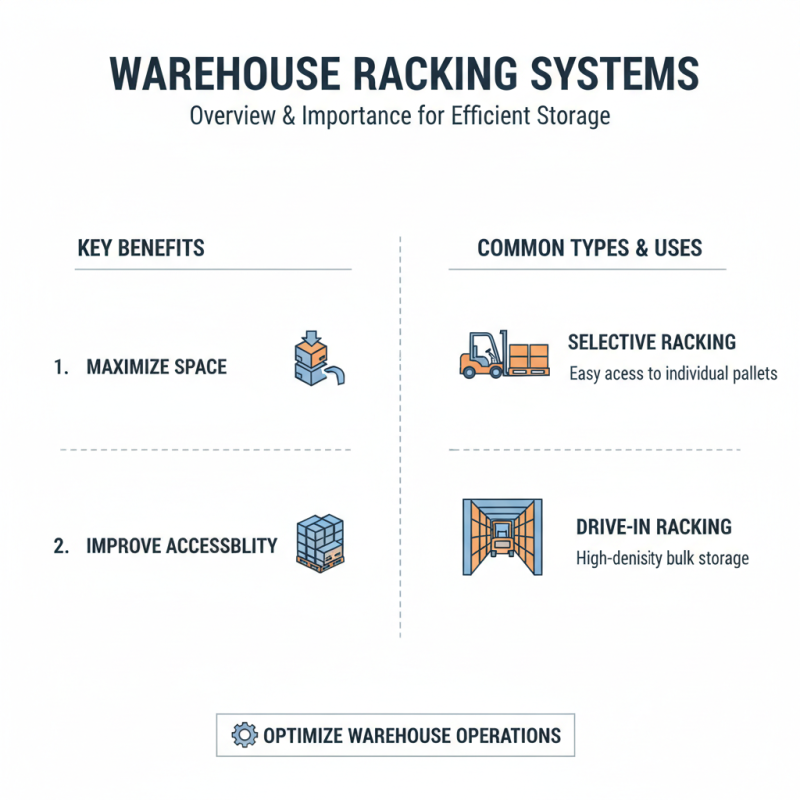
Warehouse racking systems play a crucial role in efficient storage management. They help maximize space and improve accessibility. Each design serves a unique purpose, adapting to various storage needs. For instance, a selective racking system allows easy access to pallets. Meanwhile, a drive-in rack saves space for bulk storage. Understanding these differences is essential for optimizing warehouse operations.
Implementing the right racking solution can significantly affect productivity. The layout should facilitate smooth movement and reduce bottlenecks. Yet, adopting a new system can come with challenges. Some businesses may struggle to train staff on new processes. Others might find the initial investment daunting. Regular assessments are vital to ensure the chosen system meets evolving demands. Adapting to changes remains a continuous process.
Choosing an effective racking system also encourages safety. Proper installation and maintenance prevent accidents. However, frequent inspections are often overlooked. Many managers assume systems will remain functional without checks. This mindset can lead to costly issues in the long run. Emphasizing a culture of safety and reflection is key to sustainable warehouse management.
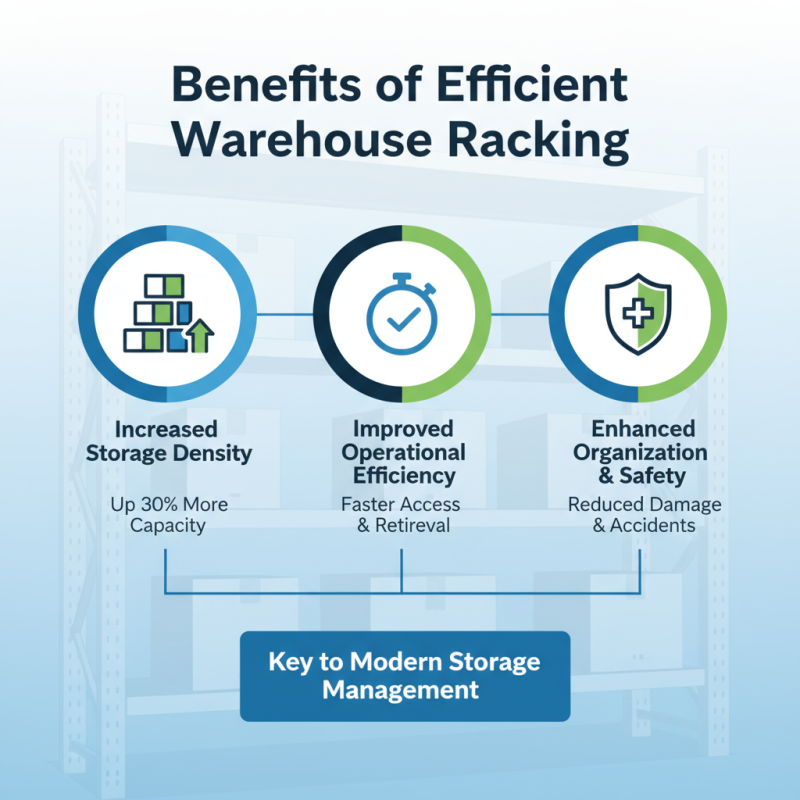
Warehouse racking solutions come in various forms to meet different storage needs. Understanding these types can improve efficiency. According to a report by the Material Handling Industry, effective racking systems can increase storage capacity by up to 30%. This is crucial for warehouses with limited space.
Selective racking is one of the most common solutions. It allows easy access to individual pallets, making it ideal for operations that require frequent inventory turnover. In contrast, drive-in racking supports higher density storage and is suitable for bulk items. However, it limits access to goods, requiring thoughtful inventory management.
Another option is gravity flow racking. This system uses rollers to move products forward automatically. It creates a "first-in, first-out" system, which enhances inventory rotation. Nonetheless, it requires careful planning regarding product sizes and weight. Each type of racking has its strengths and challenges. The choice must align with specific operational needs and inventory types, reflecting the unique demands of the warehouse environment.
This chart illustrates the storage capacity (in pallets) for various types of warehouse racking systems. Selective racking offers the highest capacity, followed by drive-in and push back racking, demonstrating the diversity in storage solutions based on operational needs.
When selecting a racking system, several key factors come into play. Understand your storage needs thoroughly. Consider the types of products you store and their dimensions. Heavy items require robust racks. Lightweight items can be stored on simpler systems. A clear understanding helps avoid future complications.
The layout of your warehouse is crucial. Measure your available space accurately. This ensures the racking system fits well and maximizes storage capacity. A poor layout can hinder efficiency. Make sure to account for aisles for easy access and movement. Workers should not feel cramped while retrieving items.
Safety is also paramount. Ensure that the racking system complies with local regulations. Inspect the system regularly to prevent accidents. An effective racking system should not only be efficient but also safe for staff. Rethink your choices periodically as your storage needs evolve. Regular assessments can reveal areas for improvement and adaptation.
| Racking System Type | Weight Capacity (kg) | Optimal Use Case | Aisle Width (m) | Assembly Complexity |
|---|---|---|---|---|
| Selective Racking | 1000 | General storage | 2.5 | Low |
| Drive-In Racking | 1200 | High-density storage | 3.0 | Medium |
| Push-Back Racking | 1500 | Bulk storage | 2.6 | High |
| Cantilever Racking | 2000 | Long items storage | 3.5 | Medium |
| Mobile Racking | 1000 | Space-efficient storage | 2.0 | High |
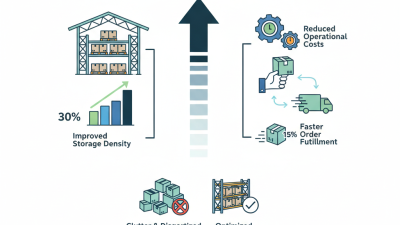
Efficient storage management is vital in modern warehousing. Implementing a robust racking system can improve storage density significantly. Research indicates that effective racking solutions can increase storage capacity by up to 30%. This is essential as businesses face rising demands for space and efficiency.
Proper racking systems not only enhance space utilization but also streamline warehouse operations. A report from the Warehousing Education and Research Council highlights that improved accessibility can cut picking times by 20%. This efficiency can lead to faster order fulfillment, meeting customer expectations effectively.
However, not all racking solutions yield favorable results. Poor installation or inadequate training can lead to safety hazards. A staggering 25% of warehouse accidents occur due to faulty equipment. Companies must prioritize proper implementation and staff training to prevent costly mistakes. The investment in a high-quality racking system can pay off by boosting safety and efficiency in the long run.
Maintaining and optimizing warehouse racking systems is crucial for efficient storage management. Proper organization can minimize operational delays and increase productivity. Employees should routinely check racking systems for structural integrity. Signs of wear or damage could lead to safety hazards.
Tips for maintenance include: Ensure racks are properly loaded within their weight capacity. This avoids stress on the structure. Regular inspections help identify issues before they escalate. Staff training also plays a pivotal role. Employees must be aware of best practices for handling products safely.
Optimization involves using data to assess inventory levels. Implementing a first-in, first-out system can reduce waste. Not all racking systems are suitable for all products. Evaluate the types of goods stored and choose the right design. Balancing efficiency with safety is not easy, but necessary.