Top Warehouse Racking System Types for Global Buyers

Choosing the right warehouse racking system affects storage capacity, handling speed, and workplace safety. Global buyers face different building layouts, product weights, climates, and operational demands. A solution that works in a dry distribution center may fail in a humid coastal warehouse. Careful selection matters.

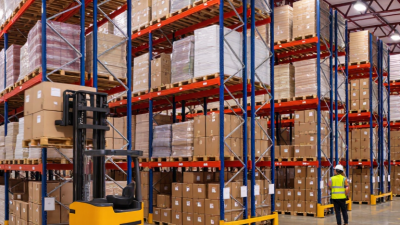
This guide introduces major racking types, including selective pallet, drive-in, push-back, pallet flow, cantilever, and automated systems. Each option serves a different purpose. Selective racking offers direct pallet access. Drive-in racking increases density but reduces selectivity. Cantilever systems suit long goods, such as steel tubes, timber, and carpet rolls. These practical differences influence labor time, equipment movement, and total operating cost.

Reliable decisions begin with accurate site information. Buyers should verify pallet dimensions, load weights, forklift turning space, ceiling height, and future inventory changes. Local engineering requirements and seismic conditions also deserve attention. Product quality is not enough. Installation, inspections, protective guards, and staff training support long-term performance. Even an experienced buyer can overlook small details, such as uneven floors or changing carton sizes. That mistake can become expensive.

No single design fits every facility. Needs change.

The following overview compares warehouse racking system types through capacity, accessibility, flexibility, safety, and maintenance considerations. It is intended to support informed discussions with qualified manufacturers and warehouse engineers. Final specifications should follow professional assessment, verified load data, and applicable local requirements. A cheaper rack is not always the cheaper choice.
Top Warehouse Racking System Types for Global Buyers

Warehouse Racking Systems: Purpose, Structure, and Core Functions

Warehouse Racking System Types for Global Buyers

Warehouse Racking Systems: Purpose, Structure, and Core Functions

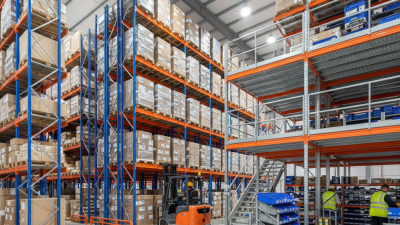
A warehouse rack is more than a steel frame. It creates vertical storage, protects inventory, and keeps travel paths measurable. The right system should match product weight, pallet dimensions, turnover rate, and lift-truck space. Fast-moving operations may need direct pallet access. Dense storage saves floor area, but it can slow picking and inspection.

Most systems use upright frames, horizontal beams, bracing, base plates, and safety locks. Uprights carry vertical loads, while beams support pallets or decking. Anchors connect the structure to the floor, where slab condition matters. In field reviews, layout plans often fail because clearances ignore mast movement or sprinkler access. That detail is easy to miss.

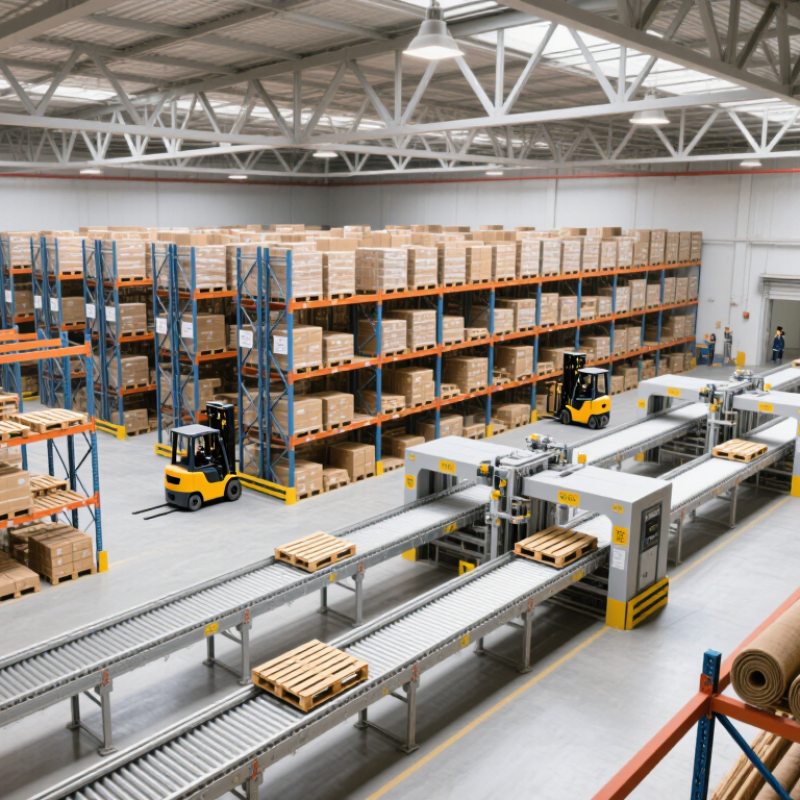
Core functions include storage density, selective access, load control, and safer handling. Selective pallet racking suits varied stock and frequent picking. Drive-in layouts increase density but reduce direct access. Cantilever structures serve long items, such as pipes or timber. Shelving works better for cartons and hand-picked goods. Every configuration needs visible load ratings, regular inspections, and trained operators. Real sites change. Damaged beams, uneven floors, and new package sizes can make an old design unsuitable. A careful review should happen before adding levels or heavier loads.

Key Types of Warehouse Racking for Different Storage Needs

Top Warehouse Racking System Types for Global Buyers

Key Types of Warehouse Racking for Different Storage Needs

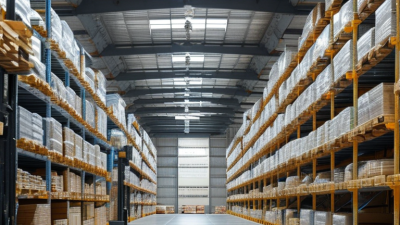
Warehouse storage needs vary with product weight, turnover, packaging, and available space. Selective pallet racking suits many SKUs with direct access to each pallet. It works well in distribution centers using standard forklifts. Adjustable beam levels also support changing inventory profiles. However, it can require wider aisles and more floor area. That trade-off is easy to underestimate.

Drive-in racking increases density by reducing access aisles. It fits stable, high-volume products with limited SKU variety.

Push-back racking stores pallets several levels deep, supporting faster loading and retrieval.

Pallet flow racking uses gravity rollers for first-in, first-out rotation. It can support perishable inventory, but maintenance demands are higher.

Small parts often perform better in carton flow racks with labeled picking faces.

Cantilever racking handles long goods, such as pipes, timber, and metal profiles. Mezzanine systems add usable levels when building height allows safe access.

During warehouse assessments, engineers should check load ratings, slab strength, aisle clearance, and forklift movement. Local fire and structural requirements also matter. A low-cost layout may create expensive bottlenecks later.

No system is perfect. Regular inspections remain necessary because damaged frames, loose connections, or uneven loading can change real performance. The best choice follows actual workflows, not only advertised storage density.

How to Compare Rack Capacity, Layout, and Accessibility

When global buyers compare warehouse racking systems, capacity should be measured at the pallet position, not guessed from a product photograph. Check beam capacity, upright height, pallet weight, load distribution, and floor loading. Ask for tested design calculations and the applicable local standard. In my layout reviews, mixed pallet sizes often expose weak assumptions. A rack rated for 1,000 kilograms may not safely hold two uneven loads. Measure twice.

Layout changes real capacity. Calculate aisle width from the actual forklift turning radius, pallet overhang, and emergency access requirements. OSHA reports about 20,000 serious forklift injuries annually in the United States; poor aisle planning is not a minor inconvenience. The 2024 MHI Annual Industry Report found that 55% of respondents expected to increase supply-chain technology investment within two years. That investment should support slotting data, not merely taller racks. Place fast-moving products near dispatch, while preserving sprinkler clearances and inspection paths.

Accessibility means selecting the right trade-off. Selective pallet racks offer direct access to every pallet, while drive-in designs increase density but reduce selectivity. Double-deep layouts can save aisle space, yet they need compatible handling equipment and disciplined inventory rotation. Compare locations, pick frequency, replenishment time, and future SKU growth. A spreadsheet can look precise and still miss human behavior. Leave room for mistakes. Before approval, request a full-scale aisle trial, load signs, impact protection, and an inspection schedule.

Top Warehouse Racking System Types for Global Buyers - How to Compare Rack Capacity, Layout, and Accessibility
Indicative comparison for standard pallet and storage applications
Racking System Type Typical Load Capacity Storage Density Typical Layout Pallet Accessibility Inventory Rotation Forklift and Aisle Requirements Best Use Cases Main Limitations
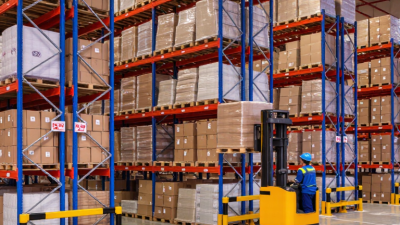
Selective Pallet Racking Approximately 500–5,000 kg per pallet position, depending on beam length, frame height, pallet size, and structural design. Low to medium; generally about 30–50% of the floor area is used for storage because dedicated aisles are required. Single-depth rows arranged in parallel, with a service aisle in front of every pallet position. Excellent; every pallet position can be accessed directly without moving other pallets. Suitable for FIFO or LIFO when stock control is managed by the warehouse system. Requires conventional forklift aisles, commonly about 2.7–3.5 m wide, depending on the truck and pallet dimensions. Warehouses with many SKUs, varied pallet quantities, and a high requirement for direct access. Uses more floor space for aisles than high-density systems and may provide less storage density.
Double-Deep Pallet Racking Approximately 500–4,500 kg per pallet position under typical engineered configurations. Medium to high; can increase pallet storage density by placing two rows of pallets back-to-back in depth. Two pallet positions deep, normally served by a reach truck or specialized double-deep forklift. Good, but the rear pallet is not directly accessible until the front pallet is removed. Primarily LIFO; FIFO is possible only with careful stock planning and handling. Requires reach equipment with suitable lift height and aisle widths commonly around 2.8–3.5 m. High-volume products with several pallets per SKU and relatively stable inventory turnover. Reduces selectivity and can create honeycombing when pallet quantities do not fill both depths.
Drive-In Racking Commonly about 500–1,500 kg per pallet position, subject to rail span, rack height, and pallet condition. High; storage lanes use fewer conventional aisles and can provide substantially more pallet positions per floor area. Deep lanes with support rails; forklifts enter the rack structure to load and retrieve pallets. Limited; access is generally to one lane at a time rather than to every pallet position. LIFO for single-entry layouts; FIFO may be used with drive-through configurations. Requires forklifts designed for controlled entry into rack lanes and careful clearance management. Large quantities of the same product, cold storage, and applications where maximum density is important. Lower selectivity, slower picking, and greater risk of rack or pallet impact during forklift entry.
Push-Back Racking Approximately 500–1,500 kg per pallet position, depending on the number of pallet depths and trolley design. High; typically stores two to six pallets deep while using fewer aisles than selective racking. Inclined lanes with nested carts or rollers; pallets are loaded and retrieved from the same aisle. Moderate; the front pallet is accessible, while deeper pallets are retrieved sequentially. LIFO, with relatively fast access to multiple pallets of the same SKU. Usually compatible with reach trucks or counterbalance forklifts, subject to aisle and lift-height requirements. Medium- to high-volume SKUs requiring higher density than selective racking without deep forklift travel. Not ideal for strict FIFO operations and may require more specialized maintenance than static pallet beams.
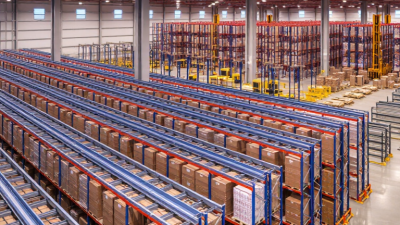
Pallet Flow Racking Approximately 500–1,500 kg per pallet position, depending on roller design, pallet quality, and lane length. High; storage lanes are deep and picking aisles can be separated from replenishment aisles. Inclined roller lanes with pallets loaded from the replenishment side and discharged at the picking side. Good for the first pallet in each lane; deeper pallets move forward automatically as space becomes available. FIFO, making it appropriate for dated, perishable, or batch-controlled inventory. Forklifts generally operate outside the lanes, reducing deep rack entry and simplifying traffic flow. Products with predictable rotation, multiple pallets per SKU, and strong FIFO requirements. Higher initial cost and stricter requirements for pallet uniformity, lane design, and load control.
Mobile Pallet Racking Approximately 500–5,000 kg per pallet position, based on the underlying rack design and mobile-base capacity. Very high; racks move on powered rails, opening an aisle only where access is needed. Rows of pallet racking mounted on motorized bases, normally with one active operating aisle. Good when the required aisle is open, but access is sequential because only selected aisles are available at one time. Can support FIFO or LIFO depending on rack configuration and warehouse procedures. Requires a level floor, rail installation, safety controls, and compatible forklift operating space. Cold stores, archives, and facilities with high land or building costs and moderate picking frequency. Higher capital cost, slower simultaneous access, and greater dependence on electrical and control systems.
Cantilever Racking Approximately 250–3,000 kg per arm, depending on column strength, arm length, bracing, and load distribution. Medium for long products; storage density depends heavily on product length and required handling clearances. Vertical columns with horizontal arms and open fronts, usually arranged in single- or double-sided rows. Excellent for long loads because the front is open and there are no front columns blocking product placement. Usually managed as LIFO, although FIFO can be achieved with appropriate layout and handling procedures. Requires forklifts or cranes suitable for long, flexible, or irregular loads; aisle width must account for load overhang. Steel sections, timber, pipes, panels, profiles, furniture components, and other non-palletized long goods. Not designed for conventional pallet storage and requires careful control of load overhang and stability.
Carton Flow Racking Typically about 50–300 kg per carton-flow lane position, depending on shelf, roller, and carton specifications. Medium to high for small-item picking; uses vertical space and presents products at an ergonomic picking face. Inclined roller shelves, usually with replenishment at the rear and picking at the front. Excellent for individual cartons, totes, and small cases; products are presented at the operator-facing side. FIFO for each lane, with automatic forward movement as cartons are removed. Usually needs pedestrian pick aisles; replenishment equipment may include ladders, carts, or forklifts. Order-picking operations, e-commerce fulfillment, spare parts, and high-SKU environments. Limited for heavy pallets and bulky products; lane performance depends on carton size and surface condition.
Data note: Capacity and aisle figures are indicative industry ranges, not universal specifications. Final rack capacity must be verified by a qualified structural designer using the actual pallet weight, dimensions, beam span, frame height, seismic conditions, floor capacity, forklift type, and applicable local safety standards.

Safety Standards and Installation Factors for Global Buyers

Selective, drive-in, pallet flow, and cantilever racks serve different warehouse needs. Yet safety standards should guide every choice. A rack that fits the floor plan may still be unsuitable for local conditions. Buyers should confirm applicable building, fire, seismic, and occupational safety requirements before ordering. These rules vary by country and sometimes by region.

Load capacity must match pallet weight, beam levels, lifting equipment, and storage height. Clear load plaques should remain visible after installation. Anchors need a suitable concrete slab, while damaged frames require immediate isolation and inspection. Experienced installers check plumb alignment, aisle clearance, column protection, and sprinkler access. Small gaps can create serious impact risks.

Installation quality matters as much as product design. The crew should follow approved drawings and record torque checks, anchor positions, and final measurements. A competent engineer should review unusual layouts, high seismic zones, or automated equipment interfaces. Mistakes still happen. A rushed installation may look acceptable but fail during daily loading. Regular inspections should examine bent uprights, loose anchors, missing safety pins, and overloaded beams. Workers also need practical training, not only a signed attendance sheet. One weak habit, such as placing pallets outside marked locations, can undermine an otherwise careful system.

Choosing the Right Racking System for Warehouse Operations

Top Warehouse Racking System Types for Global Buyers

Choosing the Right Racking System for Warehouse Operations

Choosing racking begins with warehouse reality, not product photos. Racking should match pallet weight, product dimensions, turnover, and available height. Start with a measured layout. Record column positions, door clearances, floor strength, and forklift turning space. If pallets change often, adjustable systems may protect future flexibility. Do not guess.

Selective pallet racking suits warehouses needing direct access to many stock keeping units. Drive-in racking can increase density, but it reduces access and requires consistent pallets. Cantilever racking works well for long materials, such as pipes, timber, and metal profiles. Automated systems save floor space, yet they need stable data, reliable power, and trained maintenance staff. A cheaper system may create slower picking. That cost is easy to miss.

Global buyers should verify load ratings, corrosion resistance, safety barriers, and inspection procedures. Requirements differ between countries and building authorities. Ask for structural calculations, installation guidance, and clear operating limits. Check whether the rack fits local fire routes and emergency access. Leave room for damaged pallets and future equipment changes. Aisles that look generous on paper may feel narrow during busy shifts. I have seen layouts fail because daily traffic was underestimated. A practical trial with real pallets can reveal problems before installation.