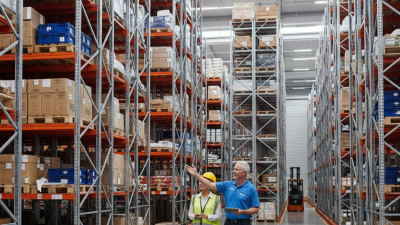
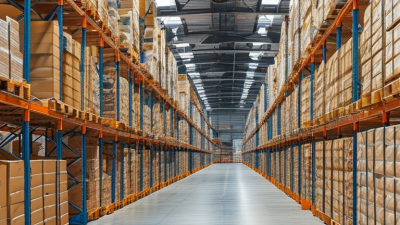
What Is Pallet Rack Shelving and How Does It Work?
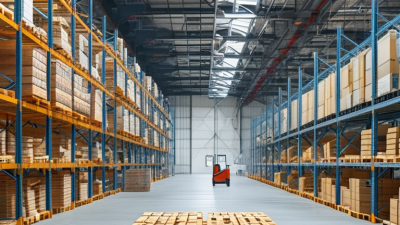
Pallet rack shelving is more than a steel frame with horizontal beams. It is a storage system designed to place palletized goods vertically, often using forklifts to load and retrieve products. In a busy warehouse, each level matters. A well-planned rack can turn a crowded floor into a clear, organized storage grid.
As John Nofsinger, a material-handling industry executive, explains, “A pallet rack system must support both storage efficiency and safe, predictable access.” This idea shapes every practical decision, from beam length and upright height to aisle width and floor capacity. The system usually includes upright frames, load beams, wire decking, anchors, and protective guards. Each part has a job. Small mistakes can create large problems.
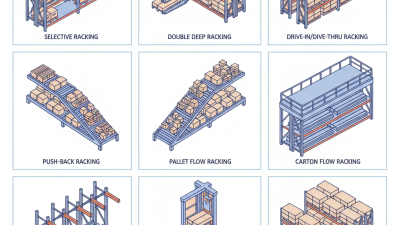
This article, “What Is Pallet Rack Shelving and How Does It Work?”, examines how these components work together. It also considers selective racks, drive-in designs, and other common configurations. The right choice depends on inventory size, pallet weight, turnover rate, and available building height. Numbers matter here. So does daily experience.
A rack may look strong, yet poor loading habits can damage it. Forklift impacts, uneven pallets, and missing inspections deserve attention. Warehouses are not perfectly controlled spaces. That is the uncomfortable truth. Understanding pallet rack shelving helps managers improve capacity without treating safety as an afterthought. The best system is not always the tallest one. It is the one workers can use correctly, consistently, and confidently.
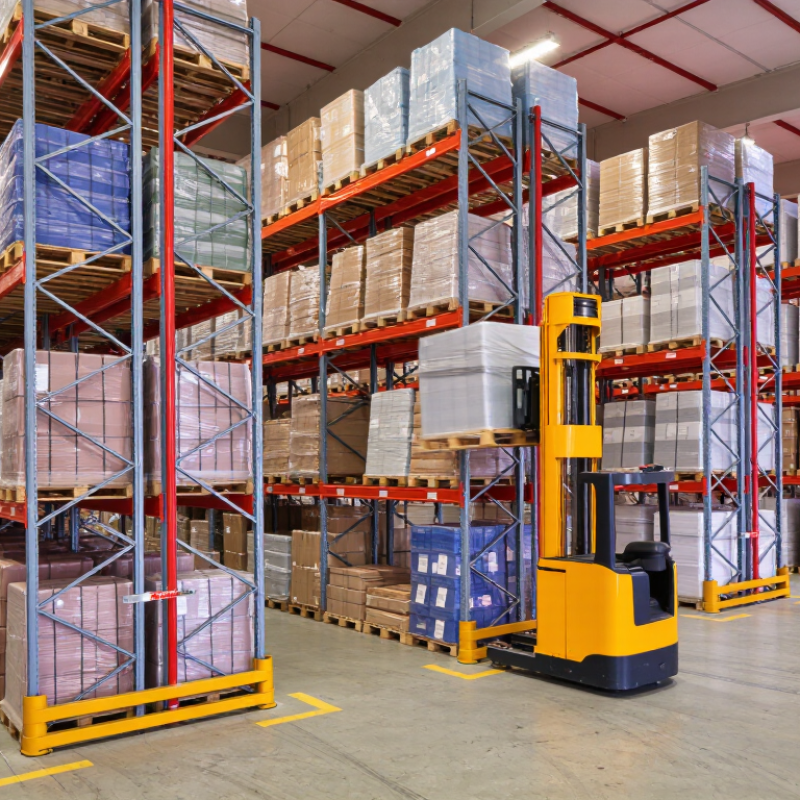
What Pallet Rack Shelving Is: Uprights, Beams, and Wire Decking
Pallet rack shelving is a modular storage system built around three parts: uprights, beams, and wire decking. Uprights are the vertical frames, usually formed from two columns connected by horizontal braces. They transfer the stored load into the floor. Beams connect the uprights across each bay. Their length and height determine the pallet positions and working clearances. Beam connectors should lock fully into the upright holes. A small installation error can change the load path.
Wire decking rests on the beams and creates a stable surface beneath pallets. Its open grid allows light through and helps water pass during fire suppression. It also prevents loose boards or damaged pallets from falling between beams. However, decking is not automatically a safety guarantee. The rack supplier or engineer must verify its rated capacity, support spacing, and compatibility with the pallet footprint. ANSI/RMI MH16.1-2023 provides design guidance for steel storage racks, while OSHA 29 CFR 1910.176(b) requires stable, secure material storage. OSHA also reports about 85 forklift fatalities and 34,900 serious injuries each year in the United States, making aisle clearance and impact protection practical priorities. Source: OSHA, Powered Industrial Trucks Safety Fact Sheet. Real warehouses are less tidy than drawings. Bent uprights, missing beam locks, and uneven floors deserve immediate attention.
How Rack Systems Store Standard 48×40-Inch Pallets
Pallet rack shelving stores standard 48×40-inch pallets in vertical levels. The 2023 Pallet User Survey by Modern Materials Handling identifies this footprint as the dominant pallet size in North American distribution. Each rack bay normally includes two upright frames and horizontal beams. The pallet rests across the beams, leaving an aisle for forklift access. Rack depth must support the pallet without allowing excessive overhang. A small dimensional error can create a large handling problem.
Warehouse planners calculate beam capacity from pallet weight, pallet count, beam span, and storage levels. ANSI MH16.1 requires rack design to consider these loads, plus impact and seismic conditions where applicable. OSHA 29 CFR 1910.176(b) also requires stored materials to remain stable and secure. Load plaques should show the approved capacity clearly. They are not decoration.
In practical use, operators place the 48-inch side toward the aisle in many selective-rack layouts. The 40-inch depth then fits between the front and rear beams. However, pallet entry direction can vary by rack design. Clearances matter. Forklift drivers need enough room to insert forks without striking the frame or neighboring loads. A 2024 logistics benchmark from a warehouse engineering association found that poor slotting and access constraints remain frequent causes of lost storage efficiency. That finding deserves attention. A rack may hold the planned number of pallets, yet still waste space when damaged pallets, uneven loads, or limited turning space enter daily operations.
Load Distribution and Capacity Ratings Under ANSI MH16.1
Pallet rack shelving works as a structural system, not a collection of separate parts. Uprights carry vertical forces, while beams transfer pallet loads between frames. ANSI MH16.1-2023 requires engineers to evaluate the rack’s intended use, load combinations, stability, and connection strength. Capacity ratings must therefore cover each beam level, upright frame, and complete bay.
Load distribution matters immediately. A 2,000-pound pallet should sit evenly across both beams, with its weight centered between the uprights. Concentrated loads can create higher stresses than their total weight suggests. Uneven placement can twist beams or overload one connector. Small details matter. Beam deflection is commonly checked against an L/180 limit when applicable, but the approved design controls. Never treat a capacity label as a flexible suggestion.
The MHI 2024 Annual Industry Report found that 83% of supply-chain professionals expect labor and talent shortages to affect operations. That pressure can encourage rushed loading and weak inspection routines. A practical field check should confirm upright damage, beam locks, anchor conditions, pallet quality, and visible capacity signage. ANSI MH16.1 also expects the rack to reflect actual operating conditions, including forklift impacts and seismic demands where relevant. A common mistake is calculating only pallet weight. The safer calculation includes pallet spacing, beam levels, load placement, and future changes. I would also question old drawings. They may not match today’s configuration.
Forklift Access and Typical 10–12-Foot Aisle Requirements
What Is Pallet Rack Shelving and How Does It Work?
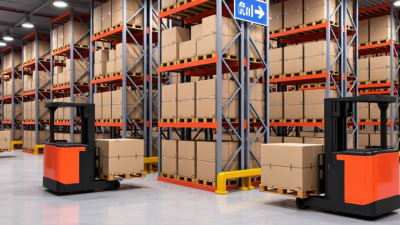
Pallet rack shelving stores palletized goods on horizontal beams supported by upright frames. Forklifts place loads onto elevated levels and retrieve them when needed. The rack creates vertical storage, but safe access depends heavily on aisle width. A typical forklift aisle measures 10–12 feet, although the correct size depends on the truck, pallet dimensions, and turning space. Narrow aisles may increase storage capacity, but they leave less room for steering errors. Always check the equipment specifications and rack layout before installation.
Forklift access requires more than a clear path. The operator needs space to approach the rack, lift the pallet, and turn without striking frames or nearby loads. Floor markings can help drivers maintain consistent travel lines. Upright guards may reduce damage, though they do not replace careful driving or regular inspections. In practice, small differences matter. A protruding pallet, uneven floor, or poorly positioned column can reduce usable clearance. This is not perfect. Real warehouses change.
Tips:
Measure the forklift’s turning radius with a loaded pallet. Keep 10–12-foot aisles free from loose cartons and equipment. Mark pedestrian routes separately. Inspect beams, anchors, and frames routinely. Ask a qualified storage professional to review unusual layouts. 马会
Rack Selection, Inspection, and Safe Storage Above 30 Feet
What Is Pallet Rack Shelving and How Does It Work?
Pallet rack shelving stores loaded pallets on horizontal beams and upright frames. Forklifts place pallets into open bays, creating vertical storage. Above 30 feet, rack selection becomes a structural decision, not simply a space-saving choice. The Rack Manufacturers Institute’s ANSI MH16.1 specification requires engineered rack design, including loads, heights, seismic conditions, and connection details. OSHA’s warehousing guidance identifies falling materials, forklift impacts, and rack collapse as major hazards. These risks become less forgiving at high elevations. A small impact can distort an upright and weaken the entire bay. I have seen teams focus on capacity labels while overlooking floor conditions and clearance. That mistake deserves more attention.
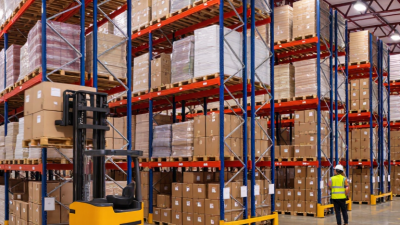
Inspect every upright, beam connector, anchor, and pallet before use. Look for bent steel, missing safety pins, cracked concrete, loose anchors, and leaning frames. Damaged components should be isolated and assessed by a competent person. Do not straighten them casually. OSHA 29 CFR 1910.176(b) requires stored materials to remain stable and secure against sliding or collapse. For high-bay systems, verify load plaques, beam levels, pallet overhang, sprinkler clearance, and forklift mast reach. Load calculations should include pallet weight, center of gravity, rack configuration, and dynamic forklift forces. Above 30 feet, a qualified engineer should review the layout.
Tips: Mark pedestrian lanes clearly. Keep impact guards visible. Train operators initially and at least every three years, as OSHA requires. Record inspections with photographs and dates. Recheck after every collision, even when damage looks minor. A clean aisle is not proof of a safe rack.